On 1 June 2024, two Acts took effect together: the Occupational Safety and Health (Amendment) Act 2022 (A1648), and the Factories and Machinery (Repeal) Act 2022 (Act 835). Act 835 repealed the FMA but carried existing registrations, approvals and certificates across into OSHA administration. For a buyer, the operative instrument is the Plant Requiring Certificate of Fitness Regulations 2024, and the duty most often misread is section 18A(1), which reaches a principal only where it directs the manner of the work.
Two Acts, and a bridge between them
Act A1648 amended OSHA 1994: coverage widened to nearly all workplaces, including public services and statutory authorities; “principal” became distinct from “employer”, and penalties and duties increased.
Act 835 is separate legislation, and it repealed the Factories and Machinery Act 1967. The FMA was not folded into OSHA, and describing it that way misstates what Parliament actually did.
But the repeal was not a clean break, and this is what a buyer with existing plant needs to know. Act 835 section 4(1) routes registrations, approvals, certificates of fitness and other specified instruments made under the repealed Act into administration under OSHA. Sections 4(2), 5 and 6 preserve specified notices, pending matters and proceedings. So an existing CF issued under the old regime does not evaporate, and a document referencing the FMA is not automatically void.
The practical reading for procurement: describing the FMA as “consolidated into OSHA” is wrong legislative history, but treating every FMA reference as meaningless is equally wrong. Existing instruments have a defined continuity path. New work is specified under OSHA and its subsidiary regulations, while instruments already in force travel across under section 4.
Two instruments commenced alongside: the Plant Requiring Certificate of Fitness Regulations 2024 and the Licensed Person Order 2024.
Section 18A(1), and the condition attached to it
Section 18A(1) places a duty on a principal to take, so far as is practicable, the measures necessary to ensure the safety and health of a contractor it engages, any subcontractor or indirect subcontractor, and their employees, while at work.
Subsection (2) qualifies that subsection:
The duty imposed on the principal in subsection (1) shall only apply where the contractor, subcontractor or employee referred to in that subsection is working under the direction of the principal as to the manner in which the work is carried out.
Note the scope. Subsection (2) qualifies subsection (1); it does not qualify the whole of section 18A, and subsections (4) and (5) address other affected persons. Nor does it displace the separate duties an organisation carries as employer or occupier, or the risk assessment required under section 18B.
The test is direction as to the manner of the work. Who engaged the contractor, and whose site it is, do not decide it.
For procurement, the practical consequence is narrower than it first looks. Document the intended division of responsibility at tender stage, so the package is written deliberately. Then recognise that contract terms are evidence of the arrangement, not a determination of it: if plant engineers subsequently dictate method and sequence during execution, the test looks at that direction. A results-based contract does not settle the question in advance, and neither does a clause saying the contractor is responsible for its own methods.
What needs a Certificate of Fitness
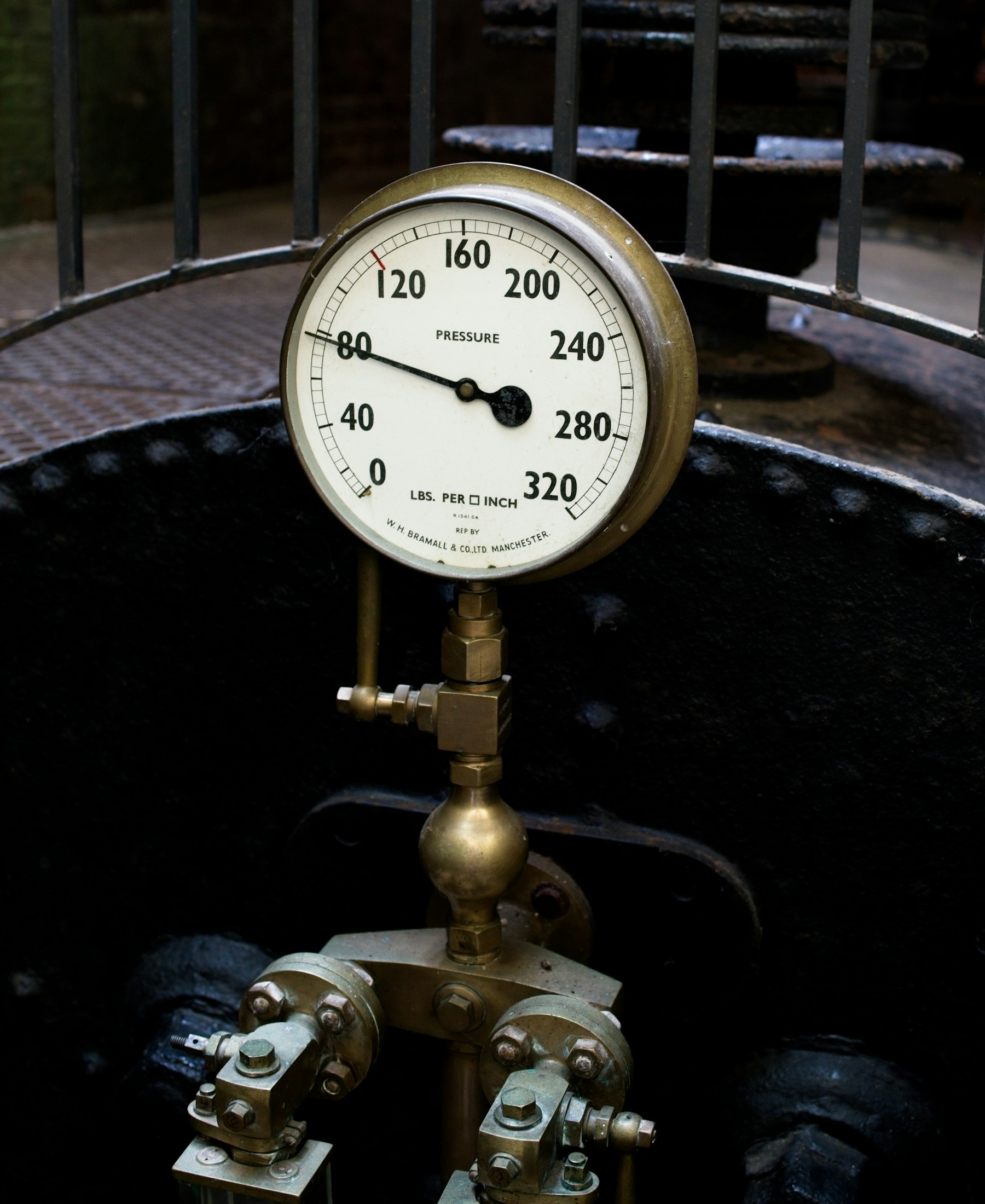
The Plant Requiring Certificate of Fitness Regulations 2024 prescribe three classes: steam boilers, pressure vessels, and lifting machinery.
“Pressure vessel” is the current statutory class. Older documents use “unfired pressure vessel”, which was FMA-era drafting; that phrase may still legitimately appear in equipment descriptions and historical records, so treat it as a prompt to check rather than proof that a procedure is stale.
Exclusions matter as much as the classes. Regulation 21 and the Schedules exclude Second Schedule pressure vessels, manual lifting machinery, and Third Schedule lifting machinery. Second Schedule item 1 addresses internal or external design pressure not exceeding 15 psig regardless of size; item 3 addresses a water-containing vessel not exceeding 300 psig design pressure and 99 °C design temperature. These are design values, not operating readings, and the schedule runs considerably longer than those two items.
Under regulations 5(6) and 6(2)(i), the ordinary certificate cycle is 15 months from inspection.
Read the Schedules for the actual item. The list is specific enough that any summary, including this one, will eventually mislead you on a particular item.
The regime is not new
The Certificate of Fitness concept did not arrive in 2024. The Factories and Machinery (Notification, Certificate of Fitness and Inspection) Regulations 1970 contained a Part II headed “Certificates of Fitness”. What changed in 2024 is the legal basis for the regime, and the detail of the current requirements.
If a supplier tells you the 2024 changes created a new documentation obligation on components, ask which regulation and which clause.
Who carries what, and what reaches your purchase order
The certificate attaches to the plant. But responsibility isn’t confined to whoever operates it: the Regulations assign duties across owners, occupiers, and employers, including maintenance under regulation 8 and document retention under regulation 20. A procurement package should say explicitly who holds each of those.
On components, both extremes are wrong. No regulation names a certificate for every valve and fitting. Equally, saying an uncertified component breaches nothing on its own goes too far, because the Regulations prescribe documents in the Fifth Schedule, and the regulation 2 definition of a steam boiler extends to connected pipes and fittings. Whether missing component documentation contributes to non-compliance depends on the plant, the design code and the verification route.
So hold three categories apart:
- Statutory: what the Regulations prescribe, including design verification and Fifth Schedule documents where they apply.
- Project: what the approved design code, material class and inspection and test plan require.
- Commercial: what you write into the PO so the first two arrive with the goods.
A worked line
A ½-inch instrument isolation valve on an impulse line off a registered steam drum. The receiving system is prescribed plant holding a current CF. Engineering has issued the hook-up detail and the material class, and has identified the design code and edition; procurement’s job is to confirm that instruction exists and is current, not to select the code.
From that, the requisition carries: the engineering-approved specification reference and revision, the material class, the certificate types required per line item, the marking and traceability requirement, and the party who accepts the documents on receipt—the PO states who submits to DOSH or the authorised inspecting body, where applicable.
That last field is the one most often left blank, and its absence tends to surface at inspection, when it is expensive to resolve.
Before the requisition goes out
Confirm whether the receiving system is prescribed plant or excluded by the Schedules, and its CF status. Confirm engineering has identified the design code and edition. Establish whether the category requires verification by an authorised inspecting body. Separate statutory documents from project documents—name who accepts each document and who submits to DOSH. For installation packages, record the intended division of direction, as it will be judged by how the work is actually run.
This article summarises publicly available provisions for procurement planning and is not legal advice. Verify current requirements against the legislation or with DOSH Malaysia.
Sources: Act A1648 · Act 835, Factories and Machinery (Repeal) Act 2022 · Plant Requiring Certificate of Fitness Regulations 2024 (P.U.(A) 99/2024) · Act 514 reprint to 1 June 2024 · FM (Notification, CF and Inspection) Regulations 1970