- The Piping Systems Inside a Modern Data Centre
- Primary Chilled-Water Loop
- Condenser Water Loop
- CRAH / CRAC Air-Side Coils
- Secondary Loop and Liquid-Cooled Server Racks (where instrumentation tubing begins)
- Why Instrumentation Piping Matters for Data Centre Reliability
- Liquid Cooling Architectures and Their Instrumentation Requirements
- Direct-to-Chip (DTC) Cold Plate
- Rear-Door Heat Exchanger (RDHx)
- Immersion Cooling
- Material Selection: SS316L and the Coolant Compatibility Question
- DK-Lok Components for Liquid Cooling Loops
- The Malaysia Data Centre Build Wave
- DOSH Compliance for Critical-Cooling Systems
- Sourcing and Lead Time
- Frequently Asked Questions
- Why SS316L for data centre cooling and not copper?
- What pressure rating do I need for direct-to-chip cooling?
- Are metric or inch tube fittings preferred for Malaysian data centres?
- Does Simlecco supply HDPE or polypropylene piping?
- Talk to Simlecco
Data centre cooling in Malaysia is shifting from air-cooled CRAH systems to liquid-cooled architectures as rack densities push beyond 30 kW. Liquid cooling — direct-to-chip cold plates, rear-door heat exchangers, and immersion baths — carries the heat away through small-bore stainless steel tubing, manifolds, and instrumentation fittings that look identical to an upstream oil and gas instrumentation fittings hookup.
The reliability of that piping determines whether a hyperscale facility runs at design PUE or trips a critical-load shutdown. SS316L tubing per ASTM A269/A269M-25, twin-ferrule tube fittings rated for the selected tubing, end connections and temperature, and properly specified manifold blocks are the components that hold the loop together.
Specifying through the authorised channel — with mill test reports against heat codes — is what an insurance underwriter or a DOSH audit will expect to see when a coolant leak does happen inside a live data hall.
This article covers liquid cooling architectures, the material and pressure specifications that matter, the DK-Lok components that fit, the Malaysia data centre build wave, and the DOSH compliance picture. It is written for facilities engineers, EPC designers, and procurement leads scoping critical-systems piping for new Malaysian data centres.
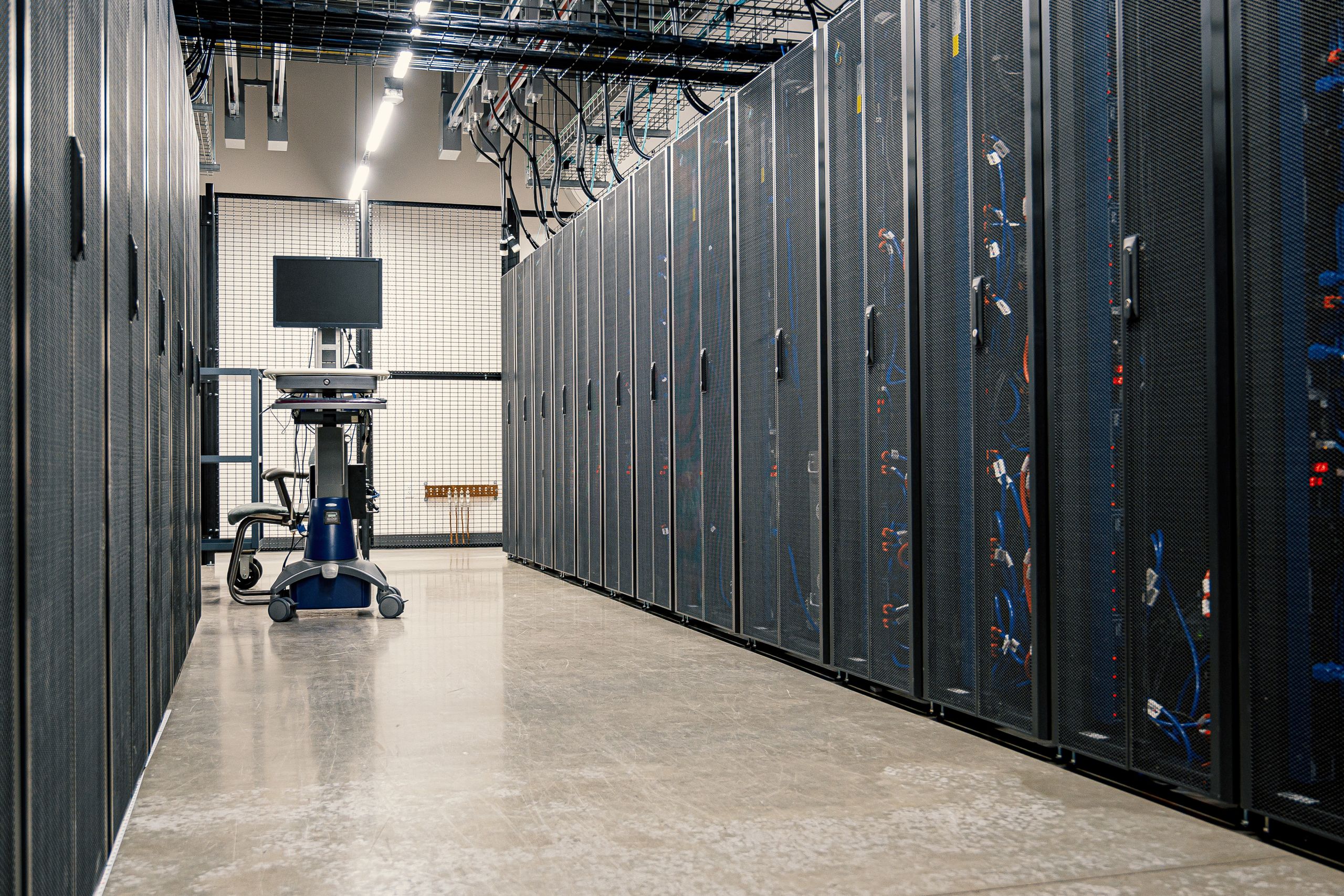
The Piping Systems Inside a Modern Data Centre
A data centre cooling system involves multiple piping circuits running at different scales, materials, and pressure classes. Understanding the full ecosystem makes the instrumentation specifications below easier to place.
Primary Chilled-Water Loop
Large-bore (DN 200 to DN 500 typical) carbon steel or HDPE piping carries chilled water — typically 6 to 12°C supply — between the central chiller plant and the in-row CDUs (Coolant Distribution Units) or air-handling units. Operating pressure is 6 to 10 bar. The project must identify the governing piping code; ASME B31.9 covers building-services piping, while ASME B31.3 applies where specified for the project.
Simlecco does not supply piping at this range — refer to specialist HVAC contractors for the chilled-water mains.
Condenser Water Loop
The condenser water loop connects chillers to cooling towers. Sizing is similar to the primary chilled-water loop, with carbon steel construction typical and water treatment and corrosion inhibitors on dose. This is industrial-scale piping and sits outside Simlecco scope.
CRAH / CRAC Air-Side Coils
Computer Room Air Handlers and Air Conditioners use chilled water or refrigerant in coil heat exchangers to cool the room air. The piping inside the unit is factory-installed and specified by the unit manufacturer.
Secondary Loop and Liquid-Cooled Server Racks (where instrumentation tubing begins)
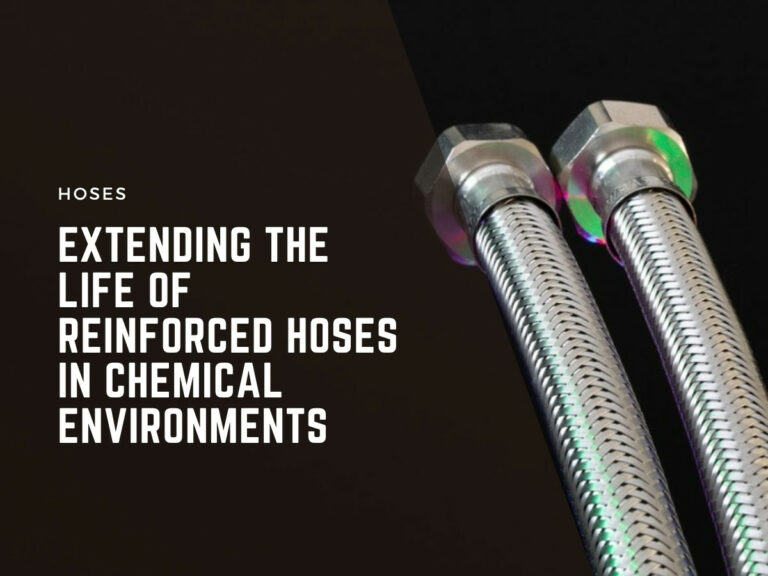
From the CDU outward to the server racks, the secondary cooling loop runs at lower pressure (3 to 6 bar typical) and smaller bore. Direct-to-chip (DTC) cold plates, rear-door heat exchangers, and immersion cooling all interface here through instrumentation-grade SS316L tubing per ASTM A269/A269M-25, twin-ferrule fittings to the manufacturer’s specification, and small-bore valves and manifolds for sensor hookups.
The rest of this guide focuses on the secondary-loop instrumentation slice — where the DK-Lok product family fits and where most of the rack-side reliability is determined.
Why Instrumentation Piping Matters for Data Centre Reliability
A modern high-density compute rack dissipates between 40 kW and 130 kW depending on accelerator count, and air alone cannot remove that heat at usable cabinet density. Liquid cooling reduces the thermal resistance between silicon and coolant by an order of magnitude.
The trade-off is that the liquid loop — cold plate, supply manifold, return manifold, CDU heat exchanger, facility water loop — is now a wet path inside the white space. A drip on a server is a recoverable event. A coolant spray onto a busbar is a critical incident.
The instrumentation piping — small-bore tubing carrying coolant from row manifold to rack manifold to the cold plate or the rear-door coil — is the part of the loop with the highest joint count per metre. Every joint is a potential leak path.
Specifying compatible SS316L tubing and twin-ferrule fittings, and following the manufacturer’s installation and inspection instructions, reduces the risk of joint failure.
Liquid Cooling Architectures and Their Instrumentation Requirements
Three liquid cooling architectures are now in production deployment across the Malaysian build wave. Each carries different instrumentation requirements.
Direct-to-Chip (DTC) Cold Plate
Coolant is plumbed through a cold plate clamped directly to the CPU or accelerator die. The loop runs from a coolant distribution unit (CDU) through row supply and return manifolds, into rack manifolds, then through quick connects into the cold plates.
The instrumentation tubing is typically SS316L in 1/4-inch through 1/2-inch OD, with twin-ferrule fittings at the manifold connections and a quick-connect coupling at the rack-server interface.
Check the operating pressure and transients against the ratings of the tubing, fittings and quick connects. A higher fitting rating does not compensate for degraded quick-connect seals.
Rear-Door Heat Exchanger (RDHx)
A finned heat exchanger mounts on the rear door of the cabinet and removes heat from the exhaust air stream. The coolant loop is plumbed from the CDU into supply and return headers along the row, then into the rear-door coil.
Tubing is larger here — typically 1/2-inch through 1-inch OD — and the joint count is lower than DTC. Twin-ferrule fittings hold the joints at the supply and return tees off the row header.
Immersion Cooling
Servers are submerged in a dielectric fluid bath. The fluid is circulated through an external heat exchanger to reject heat to the facility water loop.
The instrumentation tubing here is the secondary loop — the connections between immersion tank, CDU, and facility water. Material selection is important: dielectric fluids can be incompatible with certain elastomer seal materials, which is one reason the metal-to-metal twin-ferrule design fits well in an immersion context (no elastomer in the seal path).
Material Selection: SS316L and the Coolant Compatibility Question
The dominant coolant chemistry inside a Malaysian data hall is treated water or a propylene glycol / water blend (PG25 or PG30 in service). SS316L is fully compatible with both at typical operating temperatures and provides the corrosion-resistance margin needed for a system designed to run for 10 to 15 years without piping replacement.
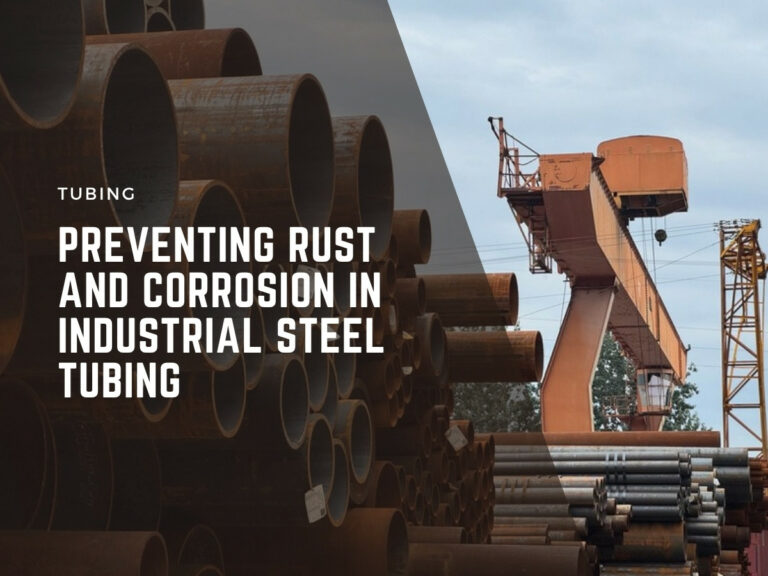
SS316L tubing per ASTM A269/A269M-25 is the standard call-out for the secondary loop — see the advantages of coiled stainless steel tubing for long uninterrupted runs between CDU and row manifolds.
For chilled-water primary loops, the larger-bore lines run in carbon steel or other materials per the facility specification, but the instrumentation tubing at the rack and the manifold should remain SS316L for the chemistry margin.
For immersion service, the dielectric fluid is typically a fluorinated hydrocarbon or a synthetic ester. SS316L is compatible with both, but the elastomer-free twin-ferrule joint matters because some dielectric fluids swell or degrade FKM and EPDM seals over time. The twin-ferrule design removes that risk from the secondary loop.
DK-Lok Components for Liquid Cooling Loops
The DK-Lok product family fits the data centre liquid-cooling scope cleanly — see why choose DK-Lok as the instrumentation brand for the wider authorised-channel case:
- SS316L twin-ferrule tube fittings (1/4-inch to 1-inch): the joint of choice at manifold tees, header take-offs, and CDU connections. Bend-tight for the compact runs inside a row.
- Ball valves (2-way and 3-way): isolation at the rack manifold and at the CDU primary side, so a single rack or a single CDU can be drained without taking the row down. API 598:2023 shell and seat tested.
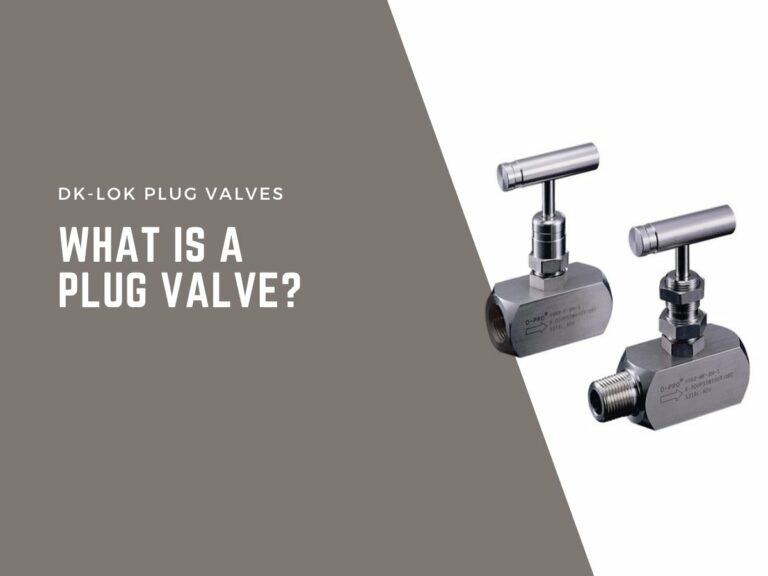
- Needle valves: drain points, vent points, and pressure-gauge take-offs along the row.
- Instrument manifolds (2V): hookup for pressure transmitters monitoring loop supply and return pressure.
- Check valves: non-return protection at CDU outlets to prevent reverse flow during a pump trip.
For metric-spec deployments — European EPCs are a significant share of the Malaysian data centre build — metric twin-ferrule fittings must match the specified metric tubing and manufacturer requirements. DK-Lok manufactures both inch and metric ranges.
The Malaysia Data Centre Build Wave
Malaysia has become one of Southeast Asia’s largest data centre build markets over the past three years. Knight Frank’s Asia-Pacific Data Centre report tracks Johor as a regional IT-load growth corridor, with multi-gigawatt commitments across Johor and Selangor.
The same Knight Frank tracking suggests Johor alone has crossed 1 GW of committed IT load capacity with further announced expansions in the pipeline.
The build wave creates a sustained demand for instrumentation tubing and twin-ferrule fittings across the secondary cooling loops, the CDU hookups, the leak-detection sensor lines, and the pressure-monitoring taps.
Across a hall of several thousand racks, the joint count on instrumentation hookups, manifold connections, and monitoring taps runs to the hundreds of thousands.
DOSH Compliance for Critical-Cooling Systems
A data centre cooling loop is subject to workplace safety duties in Malaysia; certificate-of-fitness requirements depend on whether individual items fall within the applicable plant regulations. The OSH (Amendment) Act 2022 expanded the documentary and risk-control expectations on the facility operator.
Documentation should support the facility’s risk assessment and applicable plant requirements. For instrumentation tubing and fittings, a project procurement checklist can include:
- Mill test reports against heat codes for every batch of SS316L tubing and fittings
- Valve test records to the applicable manufacturer and project specifications, including API 598:2023 where specified
- Dimensional conformity documentation to the specified fitting design and manufacturer’s requirements
- Documented installation procedure for the fitting size and initial assembly or reassembly, with sign-off records
- Traceable supplier invoice — in Malaysia, that means a Simlecco invoice (or a Simlecco-authorised dealer invoice) for DK-Lok product, with the MTR and heat-code documentation attached
Note for the Facilities Director: the legal exposure of a coolant leak that takes out a critical load sits at site management under the OSH (Amendment) Act 2022 framework. Standardising on authorised-channel DK-Lok inventory — with MTRs filed against the cooling-loop asset register — is the simplest way to demonstrate documented duty of care during a DOSH audit or an insurance investigation.
Sourcing and Lead Time
Direct import of DK-Lok from Busan runs to roughly 12 weeks once you include the manufacturing slot, QA release, ocean freight, and inland delivery to a Malaysian data centre site.
A typical hyperscale build cannot absorb 12-week lead time on instrumentation BOM, and a live facility certainly cannot wait 12 weeks for a replacement after a joint failure.
SS316L twin-ferrule fittings in the high-runner sizes (1/4-inch through 1-inch), plus 2V manifolds, ball valves, needle valves, and check valves are held at Simlecco’s Selangor warehouse for next-day delivery across Peninsular Malaysia.
For project work — a new hall, a row expansion, a CDU retrofit — Simlecco maintains in-country stock of the high-runners and runs scheduled replenishment against forecast. We supply against documented mill test reports and against the asset register so the chain of custody closes from manufacturer to install.
Frequently Asked Questions
Why SS316L for data centre cooling and not copper?
Copper is used in some pre-engineered cold-plate assemblies, but at the secondary loop level SS316L provides better corrosion resistance over a 10 to 15 year service life, particularly with treated-water and glycol chemistries.
SS316L also takes twin-ferrule fitting installation cleanly, which is the joint mechanism that survives the joint count and vibration profile of a data hall.
What pressure rating do I need for direct-to-chip cooling?
Specify tubing, fittings and quick connects for the equipment’s operating pressure, temperature and pressure transients. Their ratings vary; a higher fitting rating does not compensate for degraded seals elsewhere in the loop.
Are metric or inch tube fittings preferred for Malaysian data centres?
Both are in service. Specify the tubing material standard, such as ASTM A269/A269M-25, separately from the fitting design and inch or metric dimensions. DK-Lok manufactures both. Specify per the project line schedule.
Does Simlecco supply HDPE or polypropylene piping?
No. Simlecco’s data centre scope is the instrumentation and secondary-loop metallic piping — SS316L twin-ferrule fittings, ball and needle valves, manifolds, and the supporting hookup components. HDPE chilled-water mains and polymer piping are handled by other suppliers in the build.
Talk to Simlecco
If you are scoping the instrumentation piping for a new Malaysian data centre, retrofitting a row for direct-to-chip cooling, or running a procurement review on your current fitting supply, contact Simlecco Sdn Bhd at simlecco.com.my.
We will quote against the heat codes we hold in Selangor stock, supply against documented mill test reports, and align the tubing and fittings with their respective manufacturer requirements and your project specification.