- Advantages of Coiled Stainless Steel Tubing at a Glance
- The Decision Rule: Coiled vs Straight-Length
- Material Specifications That Actually Matter
- 316L, PREN, and When to Step Up the Alloy
- Sizing: OD, Wall, and Pressure Derating
- Where Coiled Tubing Earns Its Keep in Malaysia
- Certification Scope: What Each Certificate Covers
- Selection Checklist
- FAQ
- What is the cost premium for coiled tubing over straight cut length?
- What is the maximum continuous coil length available?
- Is coiled tubing compatible with twin-ferrule fittings?
- Order from Simlecco
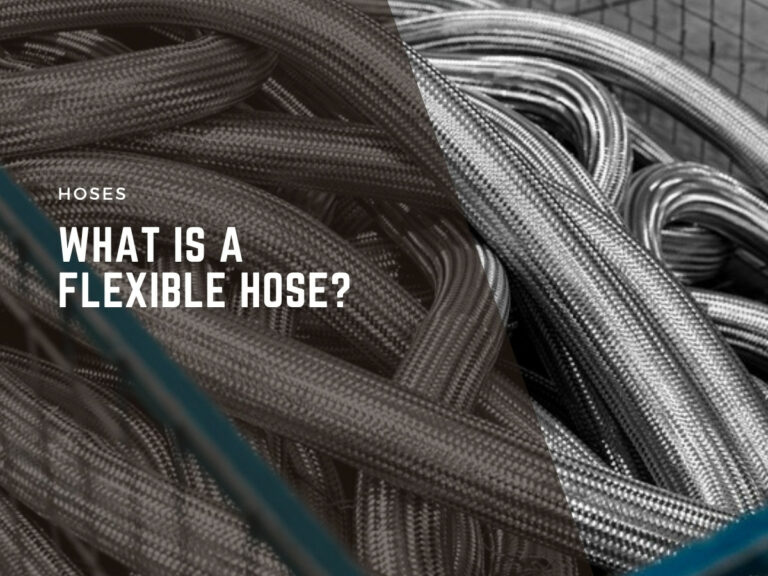
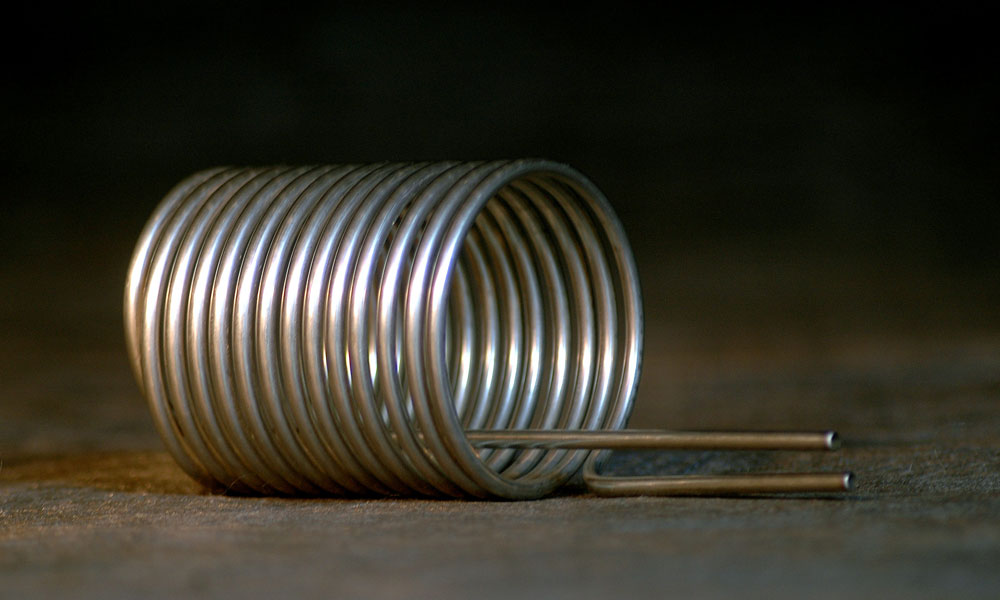
Coiled stainless steel tubing is a continuous length of tubing wound for shipment and unspooled at installation. The buyer’s question is rarely “should I use stainless?” — it’s “should I order coiled or cut-length straight tube?” This article gives the decision rule, the material specs that matter, and a 5-item checklist you can paste into a requisition. Written for procurement engineers at Malaysian O&G plants, palm oil refineries, and data centre fit-outs.
Advantages of Coiled Stainless Steel Tubing at a Glance
Coiled stainless steel tubing offers five advantages over cut-length tubing in industrial fluid systems.
- Eliminates field joints in continuous runs — fewer leak paths, faster install, lower commissioning failure rate.
- Handles tight radii without prefab elbows — installs around obstructions where cut-length cannot bend without joints.
- Lower total installed cost at scale — material cost premium offset by reduced labour, fewer fittings, fewer inspections.
- Continuous run for special geometries — downhole monitoring, sample lines on offshore platforms, data centre cooling loops where joint count must be minimised.
- Fewer certification points — one heat code per coil rather than multiple per assembly; easier MTR tracking for DOSH Malaysia audit.
When these advantages apply to your service, coiled is the call. The decision rule below clarifies when they do.
The Decision Rule: Coiled vs Straight-Length
Specify coiled tubing when at least one of these three conditions holds. If none apply, straight 6 m cut lengths are usually cheaper per metre and easier to handle on a crowded module.
- Continuous run length exceeds 6 m without a joint. Standard mill straight lengths are 6 m. Longer runs from straight stock require tube unions or welded joints, each one a potential leak point. Coiled stock eliminates the joint.
- The route bends around obstructions. Coiled tubing handles tight radii and field bends without prefab welded elbows, useful when retrofitting around existing pipe racks or instrument stands.
- The cost of the joints you would have used exceeds the coil premium. Coiled tubing typically carries a 10-20% premium per metre over straight cut length. If your alternative is twenty union fittings plus the labour and certification to install them, the coil wins on total installed cost.
Material Specifications That Actually Matter
Two different ASTM specs cover stainless tubing supplied as coil, and they are not interchangeable. Cite the right one on the requisition.
- ASTM A269:2022 — seamless and welded austenitic stainless steel tubing for general-service instrumentation. Default spec for impulse lines, sample lines, and instrument hookups.
- ASTM A213:2023 — seamless ferritic and austenitic stainless tubing for boiler, superheater, and heat-exchanger service. Required when the tubing carries process fluid at elevated temperature inside fired or heat-exchange equipment.
Don’t bundle the two specs on a single line item. Instrumentation tubing on A213 carries a price premium with no functional benefit; heat-exchanger tubing on A269 will not meet the application’s pressure-temperature derating.
316L, PREN, and When to Step Up the Alloy
316L is the default austenitic grade for Malaysian coastal and offshore service. Its Pitting Resistance Equivalent Number (PREN = Cr + 3.3 Mo + 16 N) sits at approximately 24-26. Chloride stress corrosion cracking (CSCC) starts to become a credible failure mode at around 60 °C in aerated chloride solutions.
For service above that threshold, or for concentrated chloride duty, step up the alloy. 6Mo super-austenitic (UNS S31254) carries PREN ~43; duplex 2205 carries PREN ~35. Both cost more per kilo but eliminate the CSCC risk that drives early replacement of 316L in hot, salt-laden environments.
Sizing: OD, Wall, and Pressure Derating
Coiled tubing is specified by OD and wall thickness. Common Malaysian instrumentation sizes are 1/4″, 3/8″, and 1/2″ OD in 0.035″ or 0.049″ wall, or metric 6 mm, 10 mm, and 12 mm in 1.0 mm or 1.5 mm wall.
Working pressure is published at room temperature. For elevated-temperature service, apply the manufacturer’s derating factor. For sour service (NACE MR0175:2021), confirm the material certificate shows hardness within the spec’s limits — typically HRB 80-90 for 316.
Where Coiled Tubing Earns Its Keep in Malaysia
- Instrumentation impulse lines — pressure transmitter hookups on Pengerang and Kerteh process units, where one continuous run avoids field welds inside live areas.
- Sample lines on offshore platforms — long runs from sample taps to analyser shelters, where every joint is a corrosion initiation site exposed to salt spray.
- Data centre cooling loops — liquid cooling distribution where joint count must be minimised to control leak risk near energised equipment.
- Downhole monitoring lines — continuous tubing from wellhead to instrument, required by the geometry of the well bore.
Certification Scope: What Each Certificate Covers
Buyers routinely confuse third-party certification with mill certification. They are independent, and you usually need both on critical service.
| Certificate | What it covers | Issued by |
| EN 10204:2004 type 3.1 | Mill certificate — heat number, chemistry, mechanical properties of the actual material | Tubing mill, independent QA function |
| TÜV product type approval | Independent product-design verification against a specified standard | TÜV (verify the certificate scope and standard cited) |
| Bureau Veritas inspection | Independent inspection at point of manufacture or shipment | BV (verify which lots are covered) |
| PED 2014/68/EU | Conformity for pressure equipment sold into European service | Notified body; not required for purely Malaysian service |
None of these substitutes for the mill cert. When the order requires NACE MR0175:2021 sour-service compliance, the 3.1 mill cert is the document that proves chemistry and hardness — third-party scheme certificates do not contain that data.
Selection Checklist
- Confirm the continuous run length. If under 6 m, default to straight cut length.
- Cite the correct ASTM spec: A269:2022 for instrumentation, A213:2023 for heat-exchanger or boiler service.
- Confirm 316L is the right alloy for the chloride and temperature regime. Step up to 6Mo or duplex 2205 above ~60 °C in aerated chloride.
- Specify OD, wall, and the operating pressure-temperature point with derating applied.
- Require EN 10204:2004 type 3.1 mill certificate per heat; require NACE MR0175:2021 hardness limits where the service is sour.
FAQ
What is the cost premium for coiled tubing over straight cut length?
Typically 10-20% per metre depending on diameter and coil length. Published estimates indicate the breakeven point against straight stock plus joints sits at around three to four eliminated unions on a typical 1/2″ 316L run.
What is the maximum continuous coil length available?
Mill-standard coil lengths run to 150 m for 1/4″ OD and reduce as diameter rises. Longer custom runs are available on request but extend lead time. Confirm with the supplier before issuing the PO.
Is coiled tubing compatible with twin-ferrule fittings?
Yes, provided the tubing meets the fitting manufacturer’s hardness, ovality, and surface finish requirements. The tube end must be straightened, cut square, and deburred before makeup. Twin-ferrule fittings rely on consistent tube geometry at the ferrule grip zone.
Order from Simlecco
Simlecco holds 316L coiled stainless steel tubing in instrumentation sizes for next-day dispatch across Peninsular Malaysia, with full EN 10204:2004 type 3.1 mill certificates. For sour service, duplex, or 6Mo coil requirements, contact our technical team with the service medium, design pressure, design temperature, and required continuous run length.
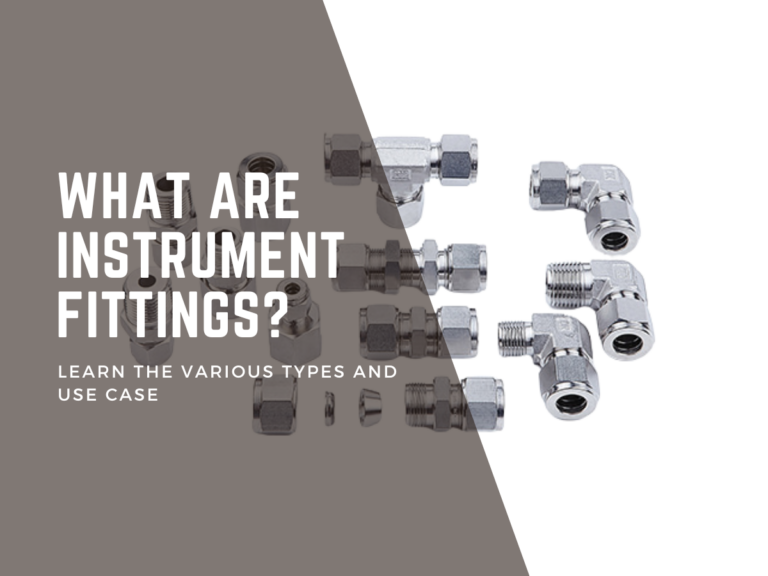
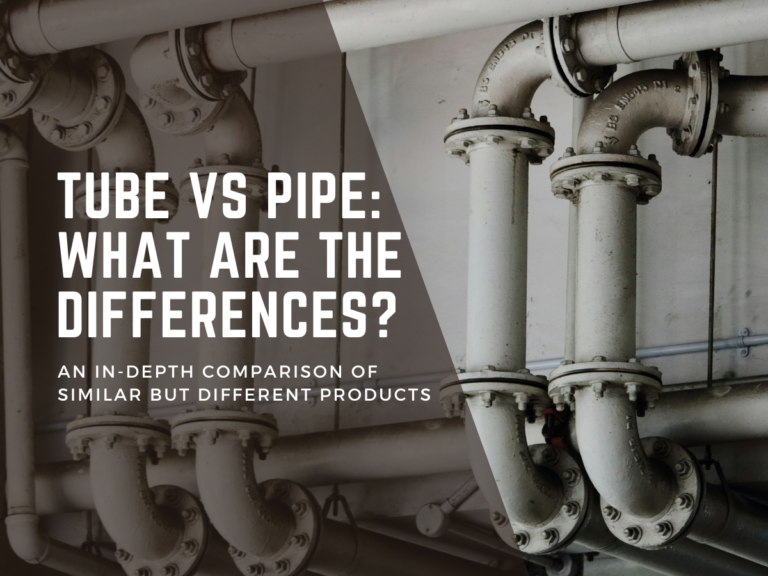
Related Simlecco guides: what are tube fittings, tube vs pipe, steel tubing strength in Malaysian load-carrying systems, instrument fittings: types and use case, preventing rust and corrosion in industrial steel tubing.