A reliable industrial plumbing supplier acts as a technical partner, not just a logistics vendor. In Malaysia’s harsh industrial climate, selecting a supplier based on Total Cost of Ownership (TCO) rather than the lowest unit price is critical. Competent suppliers provide traceability (MTRs), NACE-compliant valves, and local stock of pipe fittings to prevent costly downtime and ensure compliance with DOSH safety regulations.
Introduction: The “Cheap” Part That Costs RM150k
In a procurement spreadsheet, saving 15% on a bulk order of industrial plumbing components like hoses or pipe connectors looks like a victory. On a hot afternoon in Pasir Gudang, that same “saving” often manifests as a catastrophic failure. We have seen generic, uncertified pipe components burst within weeks due to Malaysia’s intense UV exposure and 90% humidity, triggering production stoppages that industry estimates suggest can cost RM50,000–RM150,000+ per hour depending on the facility.
Choosing the right supplier is a risk management decision. Whether you are sourcing for a chemical plant in Shah Alam or an offshore support vessel in Labuan, the supplier determines whether your maintenance team focuses on optimization or emergency piping repairs. This guide helps you evaluate suppliers based on engineering reality, protecting your pipe networks from the hidden costs of low-quality components.
Why Many Suppliers Fail (The Distributor Gap)
Many suppliers fail here because they operate as “Catalog Flippers” with limited technical accountability.
They often stock what is cheapest to buy, ignoring what is safest to run. Common issues include:
- Supplying “Stainless Steel” valves without verification of whether they are 304 or 316L.
- No verification that internal seals are compatible with your specific process fluid or piping specifications.
- Stocking standard rubber hoses that dry-rot rapidly in Malaysian outdoor conditions.
At Simlec Co, we bridge this gap by auditing our inventory against NACE MR0175 standards for sour service applications. We don’t just sell a pipe fitting; we sell the assurance that it minimizes failure risk during the next monsoon.
1. Industrial Hoses: Material Compatibility is Critical
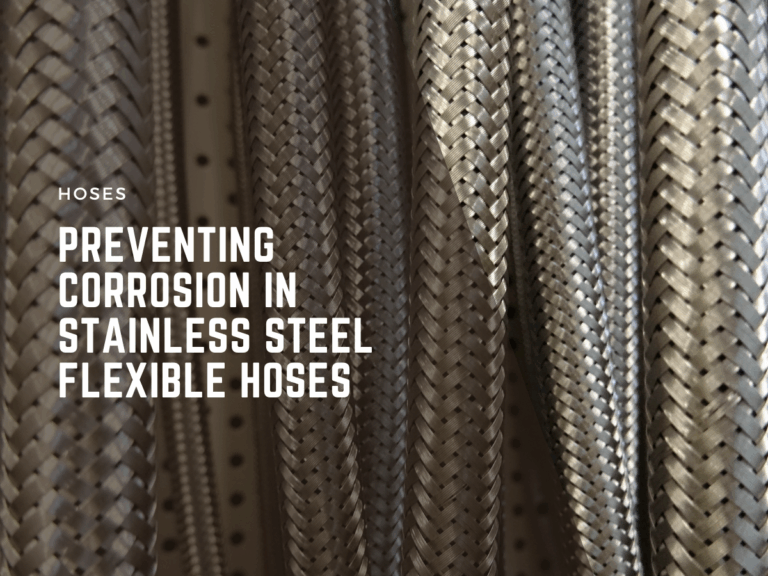
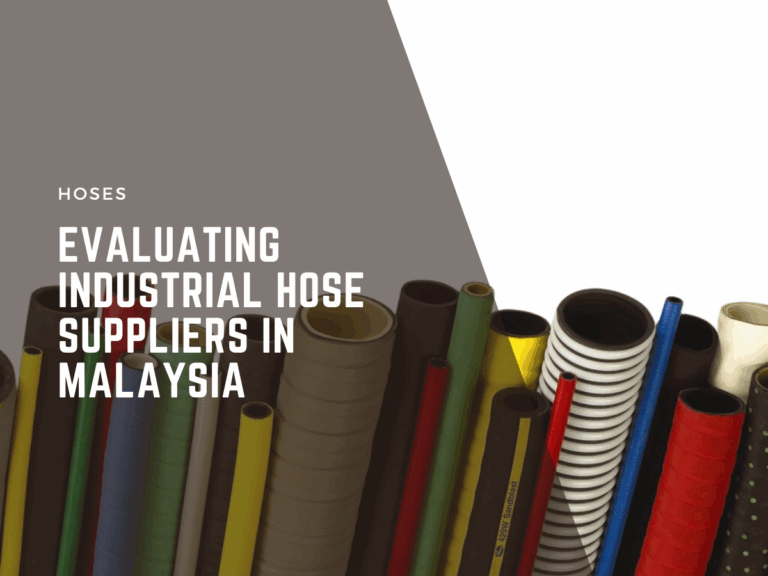
Flexible Hoses are often treated as commodities, yet they are the most vulnerable component in any industrial plumbing system. While standard rubber hoses are cheap, they fail predictably under local conditions. We recommend Reinforced Synthetic Rubber or Stainless Steel Braiding because they provide the structural integrity needed to withstand pressure surges within the piping system.
However, material selection requires chemical precision. While EPDM is excellent for steam and water pipe lines due to its heat resistance, it degrades rapidly when exposed to petroleum-based oils. For oil and fuel piping, we strictly specify Nitrile (NBR) or specialized composite hoses to prevent internal swelling and blockage.
Sensory Validation: The “Crunch” Test
When evaluating hose samples from a potential supplier, use your senses:
- Feel: Flex the hose. It should return to shape immediately. If it feels stiff or you hear a faint cracking sound (the “dry rot crunch”), the stock is old or low quality.
- Look: Inspect the crimping on the fittings. It should be uniform. Bulges indicate weak points that will blow out under pressure.
2. Valves: The Traceability Requirement
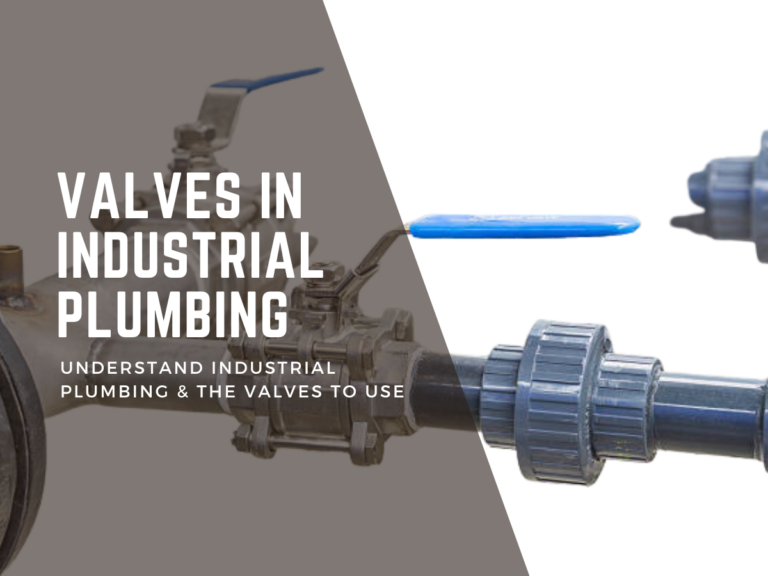
A valve is a complex mechanical device, not just a static piece of pipe. It has moving parts that must endure cycles of opening and closing. The critical differentiator here is Traceability. Does the supplier provide a Material Test Report (MTR)? Is it a re-branded generic or a certified brand like DK-LOK?
The Mechanic’s Analogy:
Buying valves without a heat code is like buying a car without a chassis number. You might drive it off the lot, but good luck getting insurance or passing a government inspection.
3. Pipe Fittings: The Hidden Corrosion Risk
Mixing suppliers often leads to mixing materials within the pipe network, a recipe for disaster in our climate. We strictly specify 316L Stainless Steel for fittings in coastal facilities in Pengerang and Bintulu because its molybdenum content prevents the pitting corrosion that destroys standard 304 pipe components in saltwater mist.
Technical Comparison: 304 vs 316L Fittings
| Feature | 304 Stainless Steel Fittings | 316L Stainless Steel Fittings |
| Key Alloy | Chromium (18%) | Molybdenum (2-3%) |
| Corrosion Resistance | Moderate (Standard Indoor Pipe) | High (Coastal/Chemical Pipe) |
| Best Use Case | Food processing (Dry plumbing) | O&G / Marine / Petrochem |
| Malaysian Risk | Pitting in salt air | Resistant to salt spray |
CRITICAL SAFETY WARNING:
Beware of Galvanic Corrosion. If a supplier suggests mixing materials (e.g., Carbon Steel valves on Stainless Steel pipe) to “save money,” refuse the order. In Malaysia’s humid climate, this creates a battery effect that eats the anodic fittings, leading to catastrophic pipe failure.
Critical Warning: Expanded Principal Liability
Why Traceability Matters:
Under the Occupational Safety and Health (Amendment) Act 2022, the “Principal” (Plant Owner) faces increased responsibility to demonstrate risk controls and compliance. If a generic pipe fitting fails and causes an incident, DOSH investigators will likely require documentation of asset safety.
A reliable industrial plumbing supplier protects you by providing full documentation (MTRs). If you cannot produce the certs during an audit, you are exposed. Simlec ensures every DK-Lok component is fully traceable to the mill.
Frequently Asked Questions (FAQ)
1. Why is choosing a local industrial plumbing supplier important in Malaysia?
Choosing a local supplier in Malaysia is critical for reducing downtime. Relying on overseas drop-shippers for pipe fittings or valves often results in 12-16 week lead times. A local supplier like Simlec Co keeps NACE-compliant pipe stock in Selangor, ensuring you can replace critical fittings within hours, not months, avoiding costly shutdowns in places like Kerteh.
2. What products do industrial plumbing suppliers in Malaysia typically offer?
A comprehensive industrial plumbing supplier offers more than just PVC pipe. They typically stock high-pressure valves (ball, check, needle), instrumentation fittings (double ferrule), industrial hoses, flanges, and seamless tubing. At Simlec, we focus on certified components like DK-Lok to ensure your piping system meets international safety standards.
3. Where can I find reliable industrial plumbing suppliers in Malaysia?
Reliable suppliers are often located near major industrial hubs like Shah Alam, Pasir Gudang, and Bintulu. Look for suppliers who are authorized distributors for major brands (like DK-Lok) and who can provide Material Test Reports (MTRs) for their fittings and pipe inventory. Avoid general hardware stores that cannot verify the metallurgy of their valves.
4. What certifications or standards should industrial plumbing suppliers in Malaysia have?
Suppliers should provide pipe fittings and valves that meet standards such as ASTM, ASME, and ISO. For Oil & Gas applications, look for NACE MR0175 compliance for sour service. Additionally, the supplier should be familiar with DOSH requirements to ensure your plumbing system is legally compliant and audit-ready.
1-Minute Decision Checklist
Before onboarding a new industrial plumbing supplier, verify these four points:
When choosing an Industrial Plumbing supplier, check 4 things:
- [ ] NACE or ISO Compliant: Do they understand pipe material compliance?
- [ ] Drop-in Replacements: Can they provide certified alternatives (e.g., DK-Lok for Swagelok) for your fittings?
- [ ] Full Heat-Code Traceability: Can they provide MTRs for every valve and pipe component?
- [ ] Malaysian Stock: Do they have a local warehouse in Selangor?
Stop buying liability. Contact our technical team to audit your current pipe and fitting supplier list or request a Total Cost of Ownership Quote.
Disclaimer: All brand names mentioned (e.g., Swagelok, Parker) are trademarks of their respective holders and are used here for identification purposes only.