The solenoid valve working principle is the conversion of electrical energy into mechanical motion to control fluid flow. When an electric current energizes the coil, it creates a magnetic field that moves a plunger against a spring, opening or closing the valve seat. In Malaysian industrial automation, selecting the right solenoid valve—whether normally closed or normally open—is critical for managing flow rate, pressure, and safety compliance under DOSH regulations.
Introduction: The Heart of Industrial Automation
A production line in Pasir Gudang is running at full capacity when a single 24V signal fails to actuate a valve. Pressure spikes, a safety loop trips, and an entire unit goes offline. The culprit? A basic solenoid valve that wasn’t sized for the fluid pressure or ambient heat.
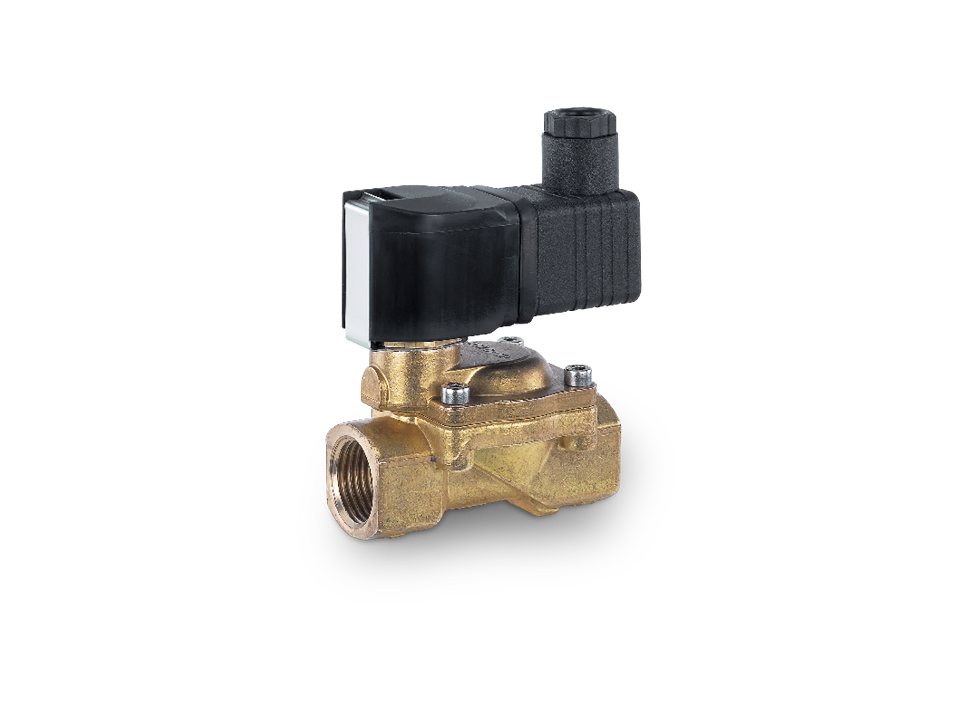
Solenoid valves sit exactly where the electrical control system meets the physical fluid control process. They are the “muscles” of industrial automation. When solenoid valves fail, the entire system grinds to a halt.
In Malaysia, solenoid valves face unique challenges. High humidity and heat affect response time and coil life. This guide breaks down the electromechanical working principle you need to know to select solenoid valves that survive the Tropics, ensuring you choose the right valve for the job.
Why Many Suppliers Fail (The Distributor Gap)
Many suppliers fail because they treat Solenoids like commodities.
They sell based on port size, ignoring the internal fluid dynamics. Common failures include:
- The “Gravity Feed” Error: Selling pilot operated solenoid valves for low-pressure tank draining (they won’t open without differential pressure).
- Material Incompatibility: Using brass for corrosive fluid instead of stainless steel solenoid valves.
- Coil Burnout: Ignoring the heat rise in AC coils versus DC coils in hot Kerteh plants.
At Simlec Co, we calculate the flow rate, pressure, and temperature for every application.
1. Anatomy of a Solenoid Valve
To troubleshoot, you must understand the components inside the valve body.
- The Coil: Creates a magnetic field when energized with electrical energy.
- The Plunger (Armature): A ferromagnetic rod. The magnetic force pulls this plunger to change the valve state.
- The Valve Seat: The sealing surface. The plunger presses against this to stop fluid flow.
- The Orifice Size: Determines the maximum flow rate (Cv) the valve can handle.
2. The Working Principle: Converting Energy to Flow
The solenoid valve working principle relies on electromagnetic force.
- De-energized: The spring forces the plunger onto the valve seat, blocking fluid.
- Energized State: Current flows through the coil, generating a strong magnetic field.
- Actuation: This magnetic force lifts the plunger against the spring and fluid pressure.
- Flow: The orifice opens, allowing fluid to pass through the valve body.
AC Solenoid vs. DC Solenoid
- AC Coils: Provide a strong initial “kick” for fast response time but run hotter.
- DC Coils: Run cooler and quieter but have a slightly slower response time. For Malaysian heat, we often recommend DC for general purpose solenoid valves.
3. Solenoid Valve Types: Direct vs. Pilot Operated
This is the #1 selection error in fluid control. You must choose the right actuation method based on your system pressure.
A. Direct Acting Solenoid Valves (Zero Differential)
- How it works: The electromagnetic force directly lifts the seal.
- The Pro: Works at 0 Bar pressure. Ideal for vacuum or gravity draining.
- The Con: Limited flow rate and orifice size because the coil must be very large to fight high pressure.
B. Pilot Operated Solenoid Valve (Servo Assisted)
- How it works: The coil opens a tiny pilot valve. The fluid pressure then pushes a diaphragm to open the main valve.
- The Pro: Uses a small coil to control massive flow. Ideal for high-flow water or compressed air.
- The Con: REQUIRES Minimum Pressure. If fluid pressure drops below ~0.5 bar, the main valve will not open.
4. Normal State: NC vs. NO (Failsafe Logic)
Your choice determines the valve position during a power outage.
- Normally Closed (NC): Power to Open. No Power = Closed.
- Safety: Best for fuel or hazardous fluid. If power fails, the solenoid valve snaps shut.
- Normally Open (NO): Power to Close. No Power = Open.
- Safety: Best for cooling fluid flow. If power fails, the valve opens to prevent overheating.
5. Material Selection for Fluid Control
The fluid type dictates the material.
- Brass: Standard for water and air solenoid valves.
- Stainless Steel: Mandatory for corrosive chemicals or food fluid lines. Stainless steel solenoid valves offer superior durability in Port Klang saline environments.
- Plastic: For ultra-pure fluid or highly aggressive acids.
6. Applications in Malaysia
Solenoid valves are the workhorses of industrial automation across the country.
- Hydraulic Systems: Controlling hydraulic fluid in heavy machinery.
- Pneumatics: 3-way solenoid valves controlling actuators on a butterfly valve or ball valve.
- Process Control: Regulating steam flow in Shah Alam manufacturing plants.
Critical Warning: Expanded Principal Liability
Why Actuation Matters: Under the Occupational Safety and Health (Amendment) Act 2022, the “Principal” is liable for plant safety.
If you install a normally open valve on a flammable gas line, and a power outage occurs, that valve stays open. DOSH investigators will check if the right solenoid valve logic was used. Simlec ensures your valve size and application match the safety risk assessment.
Frequently Asked Questions (FAQ)
1. What is the basic solenoid valve working principle?
It is an electromechanical device for fluid control. An electric current creates a magnetic field, moving a plunger to open or close the valve seat, allowing fluid flow control.
2. How do I choose the right solenoid valve?
Identify the fluid type, pressure range, required flow rate, and voltage. Determine if you need normally closed or normally open logic based on safety. Finally, decide between direct acting or pilot operated solenoid valves based on your line pressure.
3. Why is my solenoid valve humming?
Humming is common in AC coils due to the frequency of the alternating current. Loud buzzing often indicates debris trapped between the plunger and the pole piece, preventing the magnetic force from seating it fully.
4. Can I use a solenoid valve for flow control?
Standard solenoid valves are On/Off devices. They are not designed for precise throttling like a control valve. Rapid cycling to simulate throttling will burn out the coil and damage the valve body.
5. Why use stainless steel solenoid valves?
Stainless steel is required when the fluid is corrosive, food-grade, or high temperature. In Malaysia’s coastal industries, stainless steel also prevents external corrosion of the valve body.
1-Minute Decision Checklist
Before ordering, verify these 4 points:
Solenoid Selection Check:
- [ ] Pressure Check: Is the line pressure close to zero? (If yes, use direct acting solenoid valves).
- [ ] Fail-Safe: If power is cut, should the valve Close (normally closed) or Open (normally open)?
- [ ] Flow Rate: Is the orifice size large enough for the required flow?
- [ ] Material: Does the fluid require stainless steel or brass?
Stop replacing burnt coils. Contact our technical team to calculate the correct flow rate and coil wattage for your application, or browse our DK-Lok Solenoid Valve range.
Disclaimer: All brand names mentioned are trademarks of their respective holders and are used here for identification purposes only.