- The four failure modes
- 1. Stem packing degradation
- 2. Plug-to-seat wear from throttling
- 3. Lubricant migration or depletion (lubricated plug valves)
- 4. Body corrosion in sour or chloride service
- Lubricated vs non-lubricated (sleeved) plug valves
- Maintenance interval by service type
- Common installation mistakes
- Pre-installation checklist
- FAQ
- How do I know if a plug valve is the wrong choice for my line?
- What does DOSH Malaysia require for pressure-equipment maintenance?
- Can I use a lubricated plug valve on food or pharma service?
- My plug valve is stiff after a shutdown. Fix or replace?
- Specify plug valves built for the duty
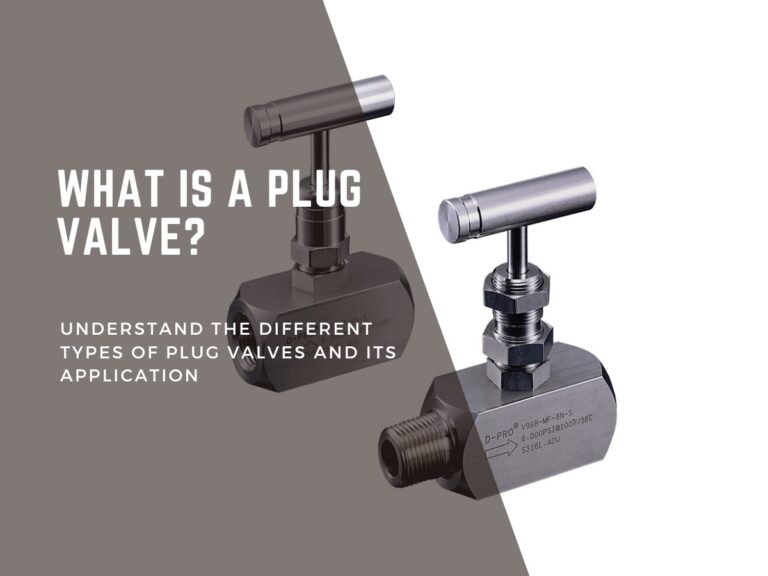
Plug valves do one job well: quarter-turn on/off isolation with a near-straight flow path. They fail predictably, in four well-understood ways, and every one of those failure modes is preventable on a calendar-driven maintenance schedule. This guide names the four modes, the standards they sit under, and the maintenance discipline that keeps them out of your plant.
The reference document for metal plug valves is API 599:2018 (Metal Plug Valves — Flanged, Threaded, and Welding Ends). Pressure testing sits under API 598:2023. Pressure-temperature rating follows ASME B16.34:2020. If your specification does not name those three, fix that before anything else.
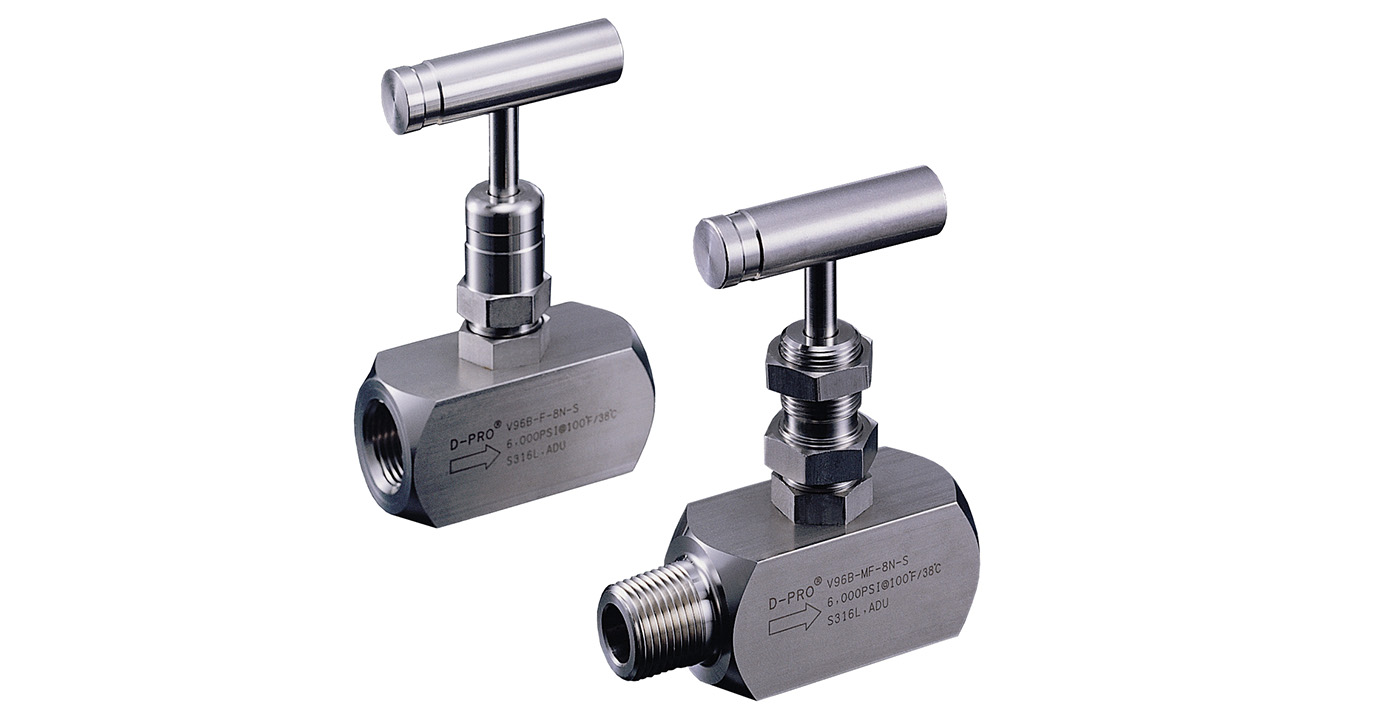
The four failure modes
1. Stem packing degradation
The seal between the stem and the bonnet is your first leak path. Graphite, PTFE, or composite packing compresses over time and under thermal cycling, and the gland nut loses load.
Prevention is a gland nut torque check every 6 to 12 months on continuous service, every cycle on swing service. Replace the packing on the OEM schedule, typically every 3 to 5 years on hydrocarbon duty, sooner on cyclic steam or sour service. Do not re-tighten an already-deformed packing; replace it.
2. Plug-to-seat wear from throttling
A plug valve is an on/off device. Operating it partially open puts a high-velocity jet across the plug face, eroding both the plug and the seat in months. The same valve in proper on/off duty will run a decade without seat wear.
Prevention: enforce on/off duty in writing on the line schedule. Verify the handle has functional quarter-turn limit stops on commissioning and after any actuator change. If the line needs throttling, change the valve to a globe or control valve; do not throttle a plug valve.
3. Lubricant migration or depletion (lubricated plug valves)
Lubricated plug valves rely on a sealing grease between the tapered plug and the body. The lubricant wears out, washes out, or migrates into the line over time, and the valve seizes or leaks.
Prevention: scheduled lubrication per OEM, typically every 1,000 to 5,000 operating cycles or every 6 to 12 months on continuous service. Use only the OEM-specified lubricant; an incompatible grease can react with the process medium, swell the seat, or contaminate downstream equipment.
4. Body corrosion in sour or chloride service
H2S service degrades carbon and standard stainless bodies by sulphide stress cracking. Chloride service attacks 304 and 316 stainless by stress corrosion cracking, particularly under insulation and at elevated temperature.
Prevention: specify NACE MR0175:2021 compliant material at order stage, with PMI on receipt. For chloride duty above 60°C, move up to duplex or super-duplex stainless. Document the body and trim material on the equipment register so you do not re-order the wrong grade on replacement.
Lubricated vs non-lubricated (sleeved) plug valves
| Factor | Lubricated | Non-lubricated (sleeved) |
|---|---|---|
| Best for | High pressure, dirty service, large bores | Clean service, smaller bores, lower maintenance |
| Maintenance overhead | Routine lubrication required | Minimal, periodic inspection |
| Capex | Lower | Higher |
| Risk of process contamination | Grease can migrate downstream | None |
| Typical service life if maintained | 10-15 years | 15-20 years |
Where a maintenance team is stretched thin, the higher capex of a sleeved plug valve pays back in eliminated lubrication rounds. Where lubrication is already a discipline in the plant, the lubricated type holds up better in heavy or particulate service.
Maintenance interval by service type
| Service | Gland torque check | Lubrication (if applicable) | Full strip and inspect |
|---|---|---|---|
| Utility water, low-pressure air | 12 months | 12 months | 5 years |
| Hydrocarbon (clean) | 6 months | 6 months | 3 years |
| Sour service (H2S) | 3 months | 3 months | 2 years |
| Chemical or aggressive media | 3 months | OEM schedule | 2 years |
Test isolation per API 598:2023 after any seat or packing intervention. Body and seat seat-leakage classes follow the same standard. Record the test pressure and the inspector on the equipment file.
Common installation mistakes
- Handle obstruction: installing the valve where the handle cannot swing a full quarter turn. Verify clearance at commissioning, not during the first emergency.
- Insufficient gland torque on commissioning: leaks within days. Torque to OEM value, not “tight enough.”
- Undersized actuator on automated plug valves: the actuator strokes but cannot break friction at the seat. Size the actuator at 1.25 to 1.5x the calculated breakout torque, not the running torque.
- Wrong orientation on lubricated types: some OEMs specify a preferred mounting position so the grease pocket stays sealed. Read the IOM before installation.
- Skipping the line flush before commissioning: weld slag and pipe scale will score a new plug in the first stroke.
Pre-installation checklist
- Body and trim material match the spec sheet and (for sour) the NACE MR0175:2021 certificate.
- Pressure class is verified against ASME B16.34:2020 at the actual service temperature.
- Handle clearance verified for full quarter-turn movement and labelled open/closed.
- Gland nut torqued to OEM value, recorded on the commissioning sheet.
- Hydrostatic and seat tests per API 598:2023, certificates filed.
- For automated valves, actuator breakout torque margin documented.
- For lubricated valves, initial lubrication done with OEM grease, type and lot recorded.
FAQ
How do I know if a plug valve is the wrong choice for my line?
If the line requires throttling, flow modulation, or frequent partial-open operation, a plug valve is the wrong choice. Use a control valve or globe valve. Plug valves are for full-open or full-closed isolation.
What does DOSH Malaysia require for pressure-equipment maintenance?
Under the OSH (Amendment) Act 2022, the employer is responsible for the safe condition of pressure equipment. DOSH Malaysia expects a written maintenance procedure, dated inspection records, and competent-person sign-off on critical interventions. The interval tables above are the standard skeleton.
Can I use a lubricated plug valve on food or pharma service?
Only with a food-grade lubricant approved for the process. The grease can migrate downstream, so most food and pharma applications use sleeved or non-lubricated designs to eliminate the risk entirely.
My plug valve is stiff after a shutdown. Fix or replace?
Industry benchmarks suggest a lubricated plug valve that stiffens after a long shutdown usually responds to fresh OEM lubricant and a few full-stroke cycles. If it remains stiff after lubrication, strip and inspect for galling on the plug face. Do not force the handle with an extension bar; that bends stems.
Specify plug valves built for the duty
Simlecco stocks plug valves certified to API 599:2018 with NACE MR0175:2021 options for sour service. For the wider valve type selection, see our guide to types of industrial valve. For supplier qualification, use the framework in vetting an industrial valve supplier. To specify the right valve for your service, talk to our technical team.
Related Simlecco guides: what is a plug valve.