- 1. Visible Leaks and Drips: The Most Obvious Indicator
- 2. Decreased Performance or Efficiency: Stress Signs
- 3. Corrosion and Rust: Environmental Damage
- 4. Unusual Noise Around Fittings: Audible Warning Signs
- 5. Cracks and Physical Damage: Compromising Structural Integrity
- Maintaining Optimal Operational Integrity
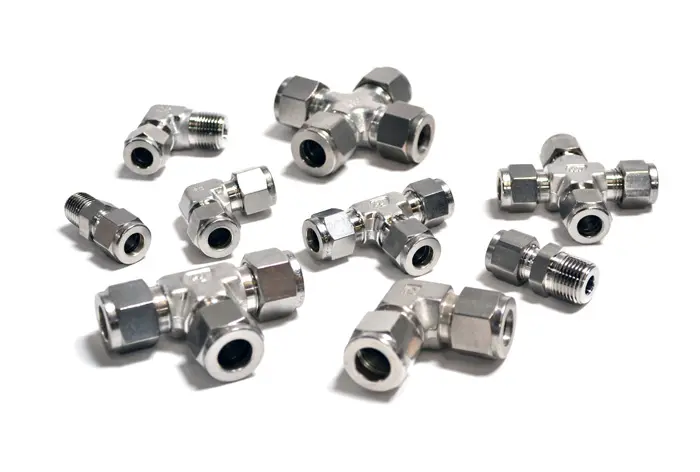
Are you facing unscheduled downtime due to fluid system failures? Compression fittings are integral components for maintaining secure, leak-free connections. They are vital in industrial fluid and gas systems.
These precision-engineered connectors establish tight seals under demanding pressures. Like all hard-working industrial components, they are subject to wear, stress, and potential issues over time. Proactive identification of early warning signs is essential.
Malfunctioning fittings can cause breakdowns, hazardous leaks, and unscheduled downtime. These disruptions significantly interrupt operational continuity. Recognizing these indicators is critical to address problems before they escalate.
1. Visible Leaks and Drips: The Most Obvious Indicator
Is product loss or safety a concern in your operations? The most unmistakable sign of a compromised compression fitting is visible leaks or drips. Even minor moisture accumulation around a connector warrants immediate investigation.
Leaks often stem from incorrect or loose installation — see our walkthrough on twin-ferrule installation. Correct installation practices are fundamental for leak prevention. Worn-out seals or pipe misalignment can also be culprits. Vibration or high pressure may cause fitting shifts.
Upon detecting any drips or wet patches, dry the area thoroughly. Then, establish continuous monitoring. If leakage persists, do not disregard it.
Isolate the affected system section if safe. Disassemble the fitting for a thorough inspection. As experienced specialists, we know overlooking minor leaks in high-pressure systems risks significant operational failures.
2. Decreased Performance or Efficiency: Stress Signs
Are you experiencing unexplained pressure inconsistencies or slower processes? A sudden decline in overall system performance or efficiency often indicates underlying issues. This can originate from compression fittings.
Symptoms include slower filling or draining cycles. You might also observe fluctuating pressure or uneven flow distribution.
While primary equipment like pumps might seem at fault, compression fittings can be a hidden cause. Worn seals, internal corrosion, or subtle misalignments in tube fittings restrict flow. They diminish system performance before larger symptoms appear.
When performance dips are observed, isolate system sections. Meticulously inspect fittings for any blockage or physical damage. Twin-ferrule fittings are not designed for in-place seal replacement — a leaking joint requires a fresh tube end, a fresh ferrule set, and re-installation per the rotation-count rule (1-1/4 turns from finger-tight for 1/4″ to 1″ sizes). Replacing “just the seal” compromises the design. Refit per the manufacturer’s procedure using DK-Lok components.
3. Corrosion and Rust: Environmental Damage
Is material degradation in humid environments causing you concern? In Malaysia’s high-humidity environments, corrosion poses a constant threat. Even durable materials can succumb to rust over time.
This is especially true where moisture or chemicals accumulate unnoticed. Key indicators include discoloration like reddish-brown or green stains. Look for surface degradation, such as pitting or rough textures. Metal flakes or powdery residue along threads are also warning signs.
While corrosion may not cause immediate failure, its progression weakens the metal. It compromises the fitting’s ability to maintain a reliable seal. This inevitably leads to leaks, increased vibration, or catastrophic fitting failure.
As the authorized distributor for DK-Lok in Malaysia, we stress the importance of proactive corrosion management. DK-Lok 316 stainless fittings are cold-worked for hardness uplift and offer high corrosion resistance. They are manufactured to ASTM A269:2022 (instrumentation tubing), ASTM A276:2017 (bar stock for valve and fitting bodies), and where applicable ASTM A479:2024 (stainless steel bars and shapes for boiler use). For sour service, the maximum hardness limit per NACE MR0175:2021 is HRC 32 (HV 250) for 316L base material — confirm any cold-worked spec against this limit before sour-service installation.
Should any signs of rust or specific chemical contamination emerge, immediate corrective action is essential. Proactive replacement with a certified DK-Lok fitting is a minor investment. It safeguards critical operations from substantial repair costs and unscheduled downtime.
4. Unusual Noise Around Fittings: Audible Warning Signs
Are unexplained hissing or whistling sounds disrupting your plant’s quiet periods? Sometimes, warning signs are heard rather than seen. Unusual sounds from a system often indicate a malfunction.
Common noises include a continuous hissing from a slow leak. Whistling sounds often link to pressure differentials. Popping or ticking may suggest thermal expansion or vibration issues.
These sounds can be challenging to detect in noisy plants. However, during quieter operational periods, they clearly indicate escaping pressurized gas or fluid. Such occurrences can rapidly become significant safety concerns if left unaddressed.
To diagnose the issue, safely pause the system. Meticulously inspect the noisy area. Loose connectors, cracked ferrules, or unclean threads are frequent culprits. Neglecting these auditory warnings risks sustained performance degradation.
5. Cracks and Physical Damage: Compromising Structural Integrity
Is the structural integrity of your fluid systems a constant worry? Industrial compression fittings endure substantial stress over time. This is especially true in systems requiring frequent disassembly or adjustment.
What appears as minor damage can make your entire system vulnerable. Maintain vigilance for small cracks near threads or joints. Look for dents or bends from over-tightening or impact. Misaligned threads that prevent a proper seal are also critical.
Our extensive field experience shows that minor physical damage is rarely negligible. A compromised fitting creates an uneven seal. This allows leaks or weakens its ability to withstand system pressure.
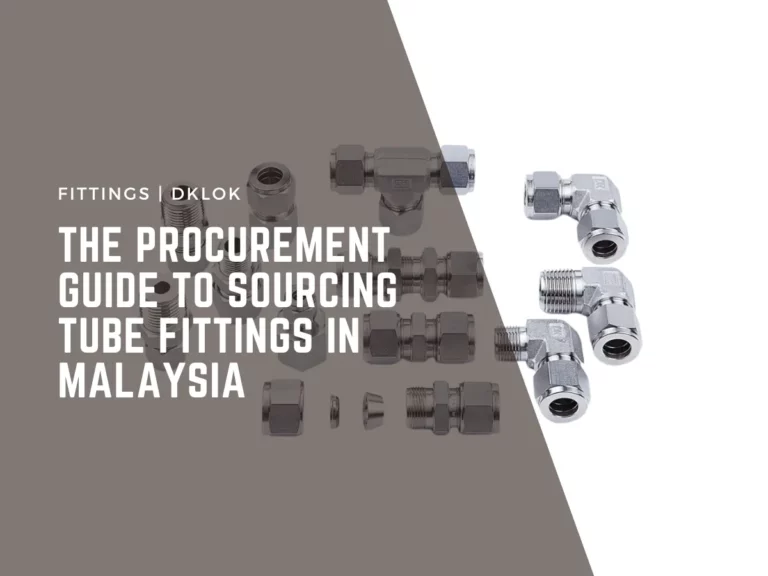
During maintenance checks, conduct a thorough visual inspection. Use light-pressure tools or magnifiers to reveal tiny flaws. Proactively replacing a damaged DK-Lok fitting before failure is far more efficient than managing a major system repair; our guide to sourcing tube fittings walks through procurement.
Maintaining Optimal Operational Integrity
These small components are foundational to industrial pipeline reliability and safety. Malfunctioning fittings can trigger cascading issues throughout your operations. By consistently monitoring for the five critical warning signs, you can intervene effectively.
We advise integrating routine, thorough inspections into your operational protocols. Most problems start small and are easily rectifiable if detected early. This pragmatic step helps minimize downtime and safeguard valuable equipment, aligning with DOSH Malaysia documentation requirements under the OSH (Amendment) Act 2022 for critical instrumentation hookups. Compression fittings themselves are not pressure vessels under the Factories and Machinery (Steam Boilers and Unfired Pressure Vessels) Regulations — they are line components — but the procurement documentation chain (MTR, heat code, test record) is what an audit reviews.
Ensure your operations run smoothly with reliable compression fittings . Small issues can quickly compromise system integrity without proper maintenance. As Simlecco Sdn Bhd, we are your trusted partner, ready to support you with high-quality DK-Lok solutions and unparalleled local expertise to ensure your systems perform optimally.