Steel tubing strength is the defining factor in the safety of load-carrying systems. Unlike standard piping, structural steel tubing relies on high yield strength and specific wall thickness to resist internal pressure and external physical loads. In Malaysia’s industrial sector, selecting the right material—whether carbon steel or 316L stainless steel—ensures durability and corrosion resistance against the humid tropical climate.
Introduction: When “Standard” Strength Fails
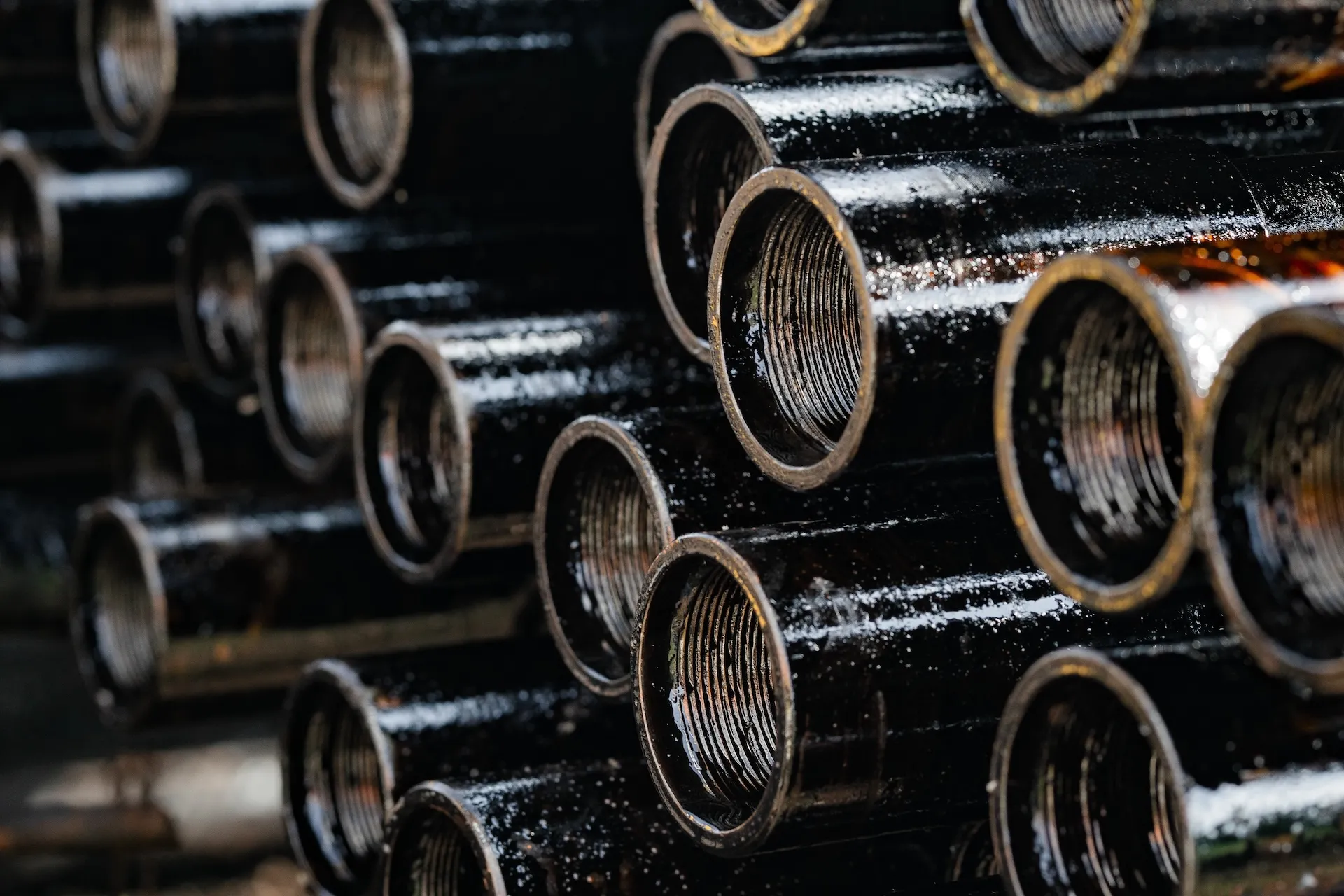
In a heavy manufacturing plant in Shah Alam, a structural steel tube failure isn’t just a maintenance ticket; it is a potential safety incident. We have seen instances where undersized steel tubing buckled under vibration load, causing a cascade failure of valves and hoses that cost the operator over RM50,000 in downtime.
Steel tubing strength is often misunderstood. It is not just about holding pressure; it is about maintaining structural form. Whether you are running hydraulic lines in Pasir Gudang or pneumatic controls in Petaling Jaya, the strength of your steel backbone dictates the durability of the entire assembly. This guide breaks down why tensile strength, yield strength, and wall thickness are critical metrics for Malaysian industries.
Why Many Suppliers Fail (The Distributor Gap)
Many suppliers fail here because they treat structural tubing like decorative pipe.
They often stock generic steel pipe without verifying the mill certificates for yield strength. Common issues include:
- Selling thin-wall steel tubing that deforms under clamp pressure.
- Ignoring corrosion resistance requirements in coastal zones like Klang.
- Supplying carbon steel with inconsistent material properties.
At Simlec Co, we audit our inventory against ASTM standards. We understand that steel tubing strength is non-negotiable. We don’t just sell a tube; we sell the assurance that the structure will hold.
1. The Physics of Strength: Tensile vs. Yield
To select the right Industrial Tubing, you must understand the two types of strength that define the material:
- Yield Strength: The stress level at which the steel begins to deform permanently. If your steel tube bends under the weight of a valve, you have exceeded its yield strength.
- Tensile Strength: The maximum stress the steel can withstand before snapping or bursting.
In load-carrying systems, high yield strength is critical. We recommend seamless steel tubing because it offers uniform strength around the circumference, unlike welded steel pipe which has a seam weakness. For high-vibration areas, the strength of the material prevents fatigue cracks from forming.
Sensory Validation: The “Ring” Test
- Sound: Tap the steel tube with a metallic object. High-quality, thick-wall steel should produce a solid, dull thud. A high-pitched ping often indicates thin wall thickness or lower density material.
- Look: Inspect the surface. High strength stainless steel should have a consistent finish. Pit marks indicate poor material quality that will compromise durability.
2. Wall Thickness: The Foundation of Durability
The wall thickness of your steel tubing provides the grip for fittings and the resistance to internal pressure. If the wall thickness is too thin, the steel cannot bite into the ferrule of a compression fitting.
- Hose Integration: Hoses rely on the steel tube anchor. If the steel lacks strength, the hose vibration will ovalize the tube end, causing leaks.
- Valve Stability: Heavy valves require rigid steel tubing to prevent sagging. Low strength steel causes valve drift, misaligning the internal flow path.
3. Carbon Steel vs. Stainless: The Corrosion Factor
Strength is useless without durability. In Malaysia, corrosion attacks the steel structure, reducing wall thickness and effectively lowering the tensile strength over time.
- Carbon Steel: High strength and cost-effective, but prone to rust. Must be painted or coated.
- 316L Stainless Steel: High corrosion resistance. The Molybdenum content maintains strength even in the salty air of Pengerang.
Technical Comparison: Steel Tubing Materials
| Feature | Carbon Steel Tubing | 316L Stainless Steel Tubing |
| Yield Strength | High (varies by grade) | High (approx 290 MPa) |
| Tensile Strength | High | High (approx 560 MPa) |
| Corrosion Resistance | Low (Requires Coating) | Excellent (Native) |
| Best Use Case | Hydraulic structural lines | Process & Instrumentation |
| Durability in Humidity | Low (Rusts quickly) | High (Long lifespan) |
CRITICAL SAFETY WARNING:
Never underestimate environmental load. A steel tube rated for 5,000 PSI internal pressure can still fail if external corrosion reduces its wall thickness by 10%. In high humidity zones, inspect steel supports monthly for signs of structural pitting.
Critical Warning: Expanded Principal Liability
Why Material Certs Matter:
Under the Occupational Safety and Health (Amendment) Act 2022, the “Principal” must ensure the strength and integrity of plant equipment. If a steel tube bursts due to insufficient yield strength, DOSH will demand the Mill Test Report (MTR).
Using certified seamless tubing ensures you have proof of tensile strength and material composition.
Frequently Asked Questions (FAQ)
1. What determines the strength of tubing?
The strength of tubing is determined by the material composition (e.g., carbon steel vs. stainless), the wall thickness, and the manufacturing process (seamless vs. welded). Heat treatment also plays a major role in setting the final yield strength and tensile strength of the steel.
2. What are the benefits of high strength steel?
High strength steel allows for thinner walls while maintaining high pressure ratings, reducing overall weight. It provides superior durability against physical impact and vibration fatigue. Using high strength material ensures the structure remains rigid under load, preventing sagging and misalignment.
3. What role does steel tubing strength play in the performance of load-carrying systems?
Steel tubing strength is the structural backbone. It must resist the hoop stress from internal fluid pressure while simultaneously supporting the physical weight of valves, hoses, and fittings. Insufficient strength leads to deformation, which breaks the seal at connection points and compromises the entire structure.
4. What are the potential failure modes related to insufficient steel tubing strength in load-carrying structures?
Common failure modes include bursting (exceeding tensile strength), buckling or bending (exceeding yield strength), and fatigue failure from vibration. In Malaysia, corrosion often reduces the effective strength, leading to sudden rupture.
1-Minute Decision Checklist
Before sourcing steel tubing for your project, verify these points:
When choosing a Steel Tubing supplier, check 4 things:
- [ ] Yield Strength Verified: Does the MTR list the minimum yield strength?
- [ ] Wall Thickness Check: Is the wall thickness sufficient for the pressure AND physical load?
- [ ] Corrosion Defense: Is the material (e.g., 316L) rated for the environment?
- [ ] Traceability: Can they link the tube to a specific heat code?
Don’t compromise on strength. Contact our technical team to verify your steel tubing specifications.
Disclaimer: All brand names mentioned are trademarks of their respective holders and are used here for identification purposes only.