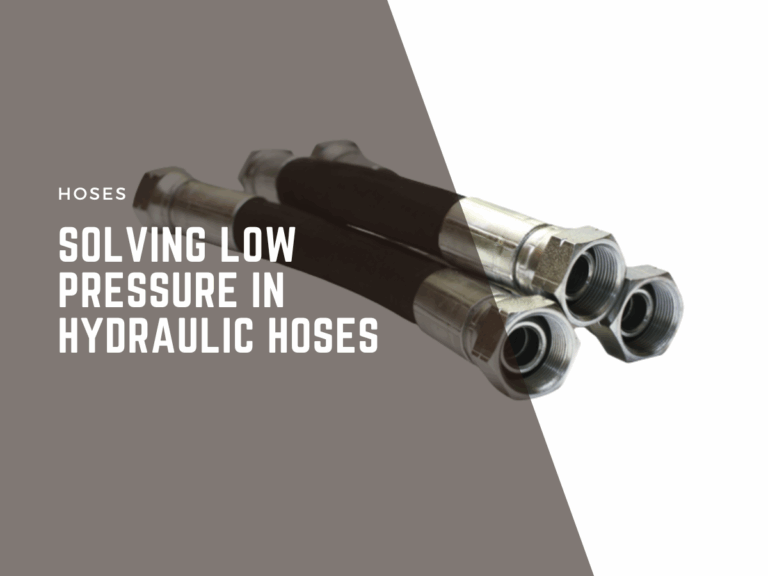
In Malaysia’s year-end monsoon season, industrial plumbing and pipe systems face accelerated degradation due to high humidity (90%+) and thermal cycling. Moisture intrusion causes water vapor to penetrate insulation, leading to condensation on cold water lines and Corrosion Under Insulation (CUI). To maintain plumbing system integrity, maintenance teams must specify 316L pipe fittings and moisture-resistant barriers capable of withstanding the wet conditions in Petaling Jaya and Shah Alam.
Introduction: The Hidden Cost of “Sweating” Pipes
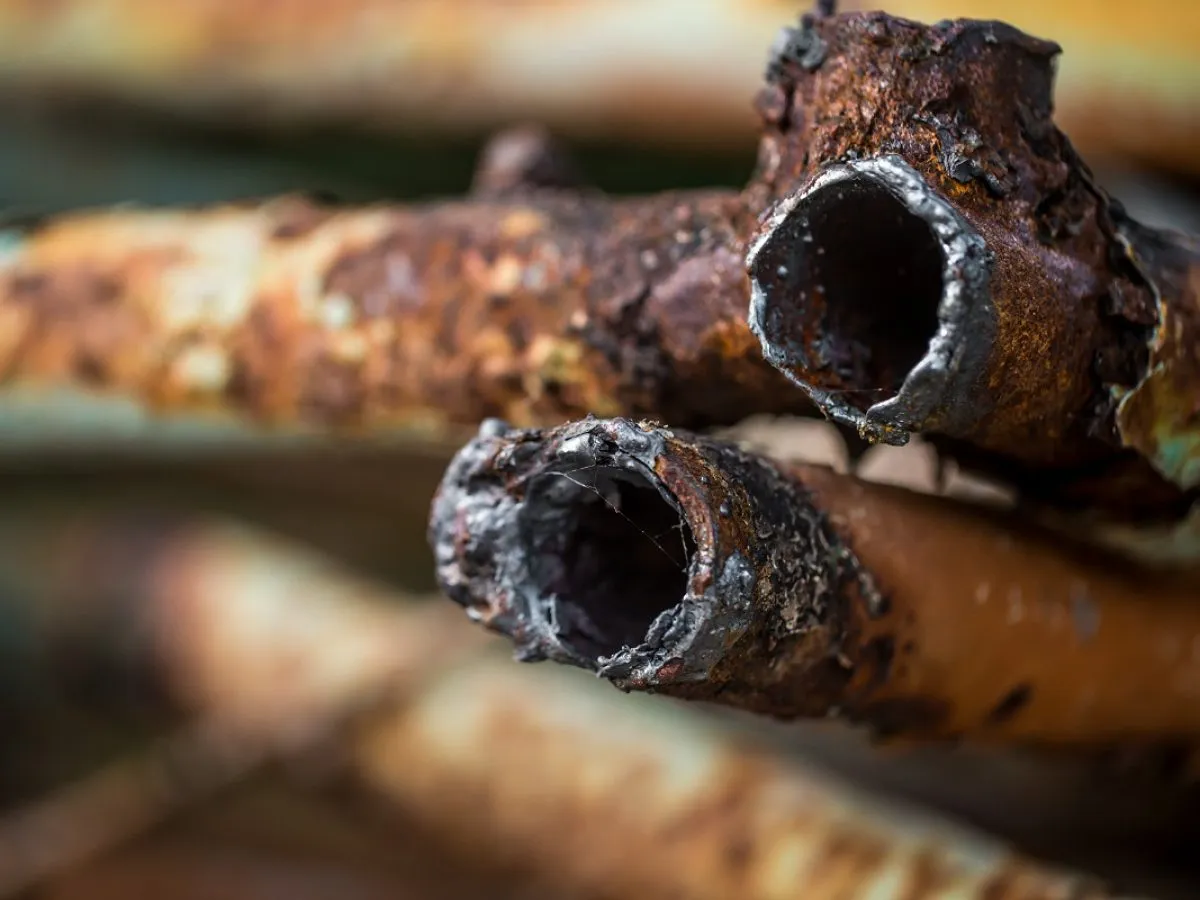
As we move into late October in Petaling Jaya, the air gets heavy. For a casual observer, it’s just rain; for a Maintenance Engineer, it’s the start of the “corrosion calendar.” We have seen plumbing setups running smoothly in August suddenly develop weeping pipe joints and corroded supports by November. These aren’t random failures—they are the direct result of moisture stress on plumbing systems not rated for the tropics.
Ignoring these seasonal shifts often leads to unplanned shutdowns. Industry benchmarks suggest that a pipe failure on a cooling line can cost RM50,000–RM100,000+ per hour in lost throughput. This guide explains how humidity attacks your pipe networks and how to select materials that survive the Malaysian monsoon.
Why Many Suppliers Fail (The Distributor Gap)
Many suppliers fail here because they treat Malaysia like a dry climate.
They stock standard-grade pipe components that work fine in Europe but rot in our high humidity. Common failures include:
- Selling standard Carbon Steel pipe hangers without verifying coating thickness for outdoor use.
- Ignoring the impact of water vapor transmission on plumbing insulation.
- Falsely claiming standard 304 pipe is sufficient for coastal plumbing zones.
At Simlec Co, we audit our inventory against local environmental realities. We understand that a pipe stored in a damp warehouse in Klang needs better protection. We stock DK-LOK components specifically because they maintain seal integrity even when the air is saturated with moisture.
1. The “Sweating” Pipe: Combatting Condensation
Condensation is the silent killer of industrial plumbing. When cold water flows through a metal pipe in Malaysia’s humid air, water droplets form rapidly on the surface. This “sweat” drips onto lower plumbing sections, structural beams, and electrical conduits.
Standard pipe insulation often fails to block water vapor drive. Once moisture gets under the insulation, it creates a perfect environment for Corrosion Under Insulation (CUI). The water acts as an electrolyte, eating the pipe wall from the outside in.
Sensory Validation: The “Drip” Test
Walk your plumbing line after a heavy rain week and check every cold water section:
- Look: Check for water pooling on the floor beneath overhead pipes.
- Feel: Run a gloved hand along the bottom of the pipe insulation. If it feels wet or heavy, the moisture barrier has failed, and the pipe is likely corroding.
2. Valves & Fittings: The Moisture Trap
When humidity spikes, plumbing control components often struggle. Moisture traps in the valve bonnet or tight pipe crevices. For manual plumbing valves in wet surroundings (like outdoor tanks in Pasir Gudang), surface rust on the handle is a warning sign that water is compromising the stem packing.
We recommend instrumentation components with 316L bodies for all pipe connections, as they resist the oxidation that seizes up standard carbon steel plumbing units.
3. Galvanic Corrosion in Plumbing Systems
Pipe connectors face a brutal wet-dry cycle. The afternoon sun dries the pipe, causing thermal expansion, and the night rain cools it with water. This cycle loosens plumbing connections.
Worse, condensed water acts as an electrolyte. If you mix materials (e.g., Carbon Steel clamps on Stainless Steel pipe), the moisture will trigger Galvanic Corrosion, eating away the threads and destroying the plumbing system integrity.
Technical Comparison: 304 vs 316L Pipe in Humidity
| Feature | 304 Pipe Alloy | 316L Pipe Alloy |
| Molybdenum Content | None | 2-3% (Critical) |
| Moisture Resistance | Moderate (Surface Rust likely) | High (Resists Pitting) |
| Ideal Location | Indoor / Dry Plumbing | Outdoor / Wet Plumbing |
| Monsoon Risk | Condensation Pitting | Low Risk |
CRITICAL SAFETY WARNING:
Do not ignore “weeping” joints. A weeping pipe fitting in October often becomes a blowout in December. If you see water accumulation on a gas line, do not just tighten it. Depressurize and inspect. Tightening a corroded pipe fitting under pressure can shear the nut, causing catastrophic failure.
Critical Warning: Expanded Principal Liability
Why Traceability Matters:
Under the Occupational Safety and Health (Amendment) Act 2022, the “Principal” (Plant Owner) faces increased responsibility to ensure plumbing system integrity. If a corroded pipe fails and causes an injury, DOSH investigators will likely look for maintenance records and material certifications.
Using traceable, certified pipe components like DK-Lok ensures you can prove the material grade matches the safety requirement. Generic plumbing parts without batch codes offer no legal protection.
Frequently Asked Questions (FAQ)
1. How does climate affect industrial plumbing selection in Malaysia?
Malaysia’s tropical climate (high heat and 90% humidity) accelerates the degradation of standard plumbing materials. Condensation on cold water lines causes external corrosion, while moisture promotes rust on carbon steel pipes. When selecting an industrial plumbing system in Malaysia, you must specify moisture-resistant alloys like 316L to prevent premature pipe failure.
2. Why is maintenance important for industrial plumbing systems?
Regular maintenance prevents catastrophic pipe failures. In environments with high humidity, plumbing supports can rust, and condensation can hide corrosion. Routine inspection allows you to identify water accumulation or weeping fittings before the pipe bursts, protecting your staff and preventing costly plumbing downtime.
3. How do corrosion-resistant pipes perform in Malaysian industrial environments?
Corrosion-resistant pipes, such as those made with 316L stainless steel, significantly outperform standard plumbing materials in Malaysia. They resist the corrosive effects of moisture and coastal salt mist (in areas like Pengerang), ensuring a longer service life for your plumbing system.
4. What troubleshooting steps should be taken for leaks in plumbing pipes?
If you detect a leak in an industrial plumbing line, first depressurize the system immediately. Do not attempt to tighten a pipe fitting under pressure. Inspect the pipe for external corrosion caused by condensation and check for galvanic issues. If the pipe wall is thinned by rust, it must be replaced.
5. Where can I buy industrial plumbing and pipe components in Malaysia?
You can buy certified industrial plumbing and pipe components from authorized distributors like Simlec Co. We maintain a ready stock of instrumentation pipe, Flexible Hoses, and NACE-compliant fittings in Selangor. We serve major industrial hubs including Shah Alam, Kerteh, and Bintulu, providing traceable plumbing components that meet DOSH safety standards.
1-Minute Decision Checklist
Before sourcing pipe and plumbing components for the rainy season, verify these points:
When choosing a Plumbing supplier, check 4 things:
- [ ] Material Match: Do they specify 316L vs 304 for outdoor pipe use?
- [ ] Moisture Defense: Do they understand condensation risks on cold water lines?
- [ ] Traceability: Can they provide batch codes for the pipe and MTRs for the fittings?
- [ ] Local Stock: Is the pipe stock available in Selangor now, or is it “on the water”?
Don’t let the monsoon stop your production.Contact our technical team to audit your outdoor plumbing lines.
Disclaimer: All brand names mentioned (e.g., Swagelok, Parker) are trademarks of their respective holders and are used here for identification purposes only.